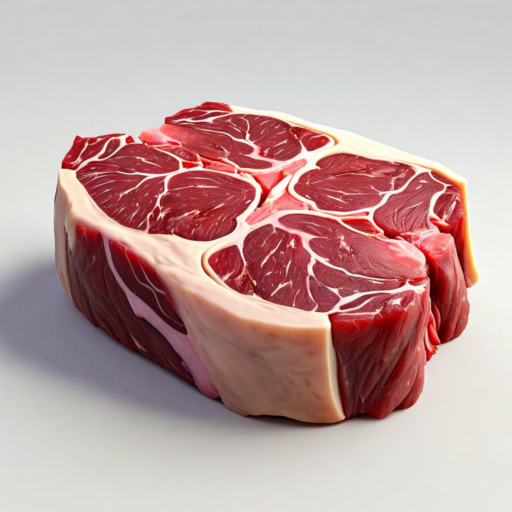
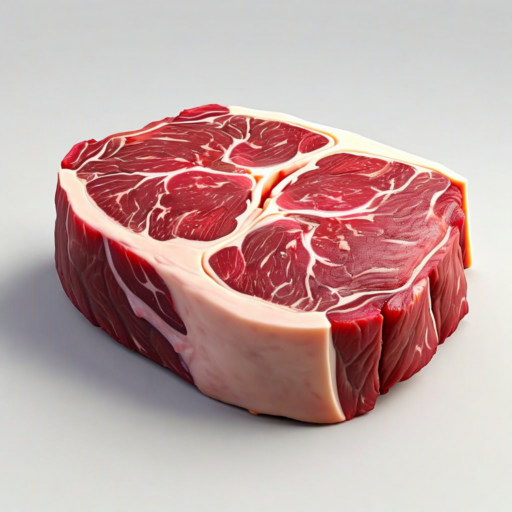
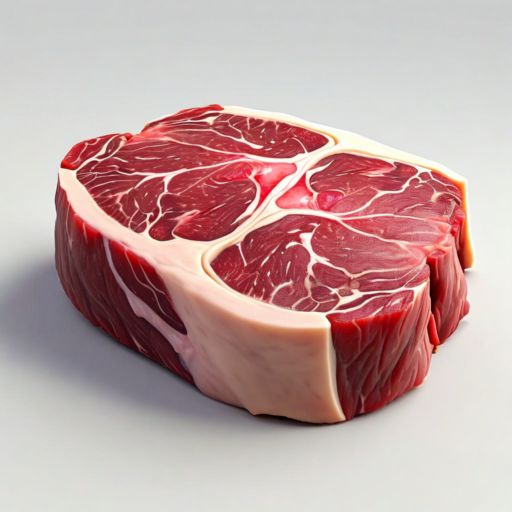
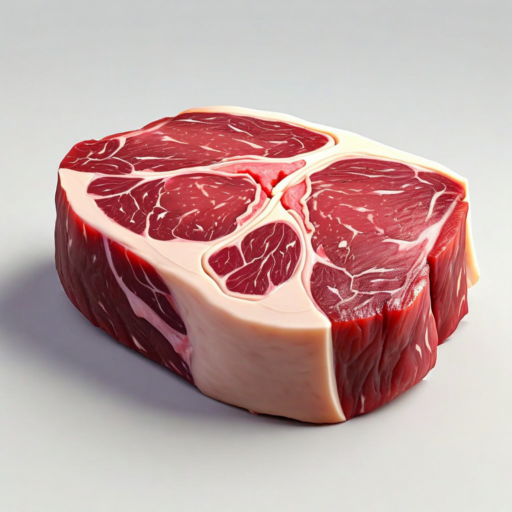
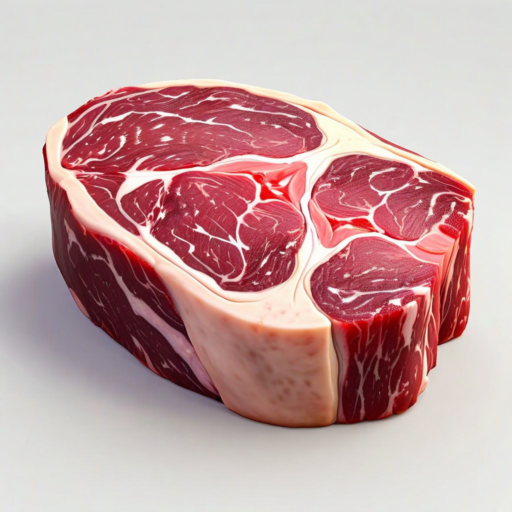
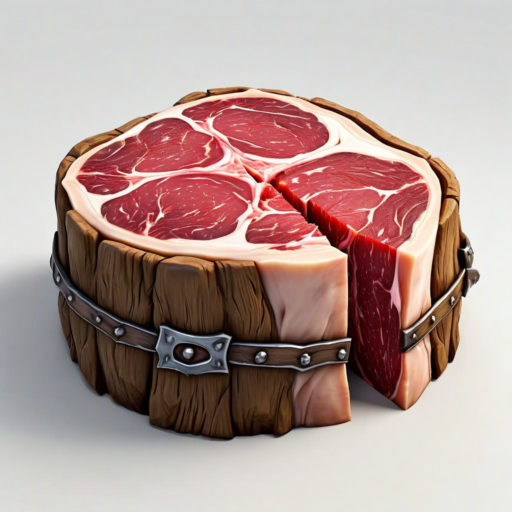
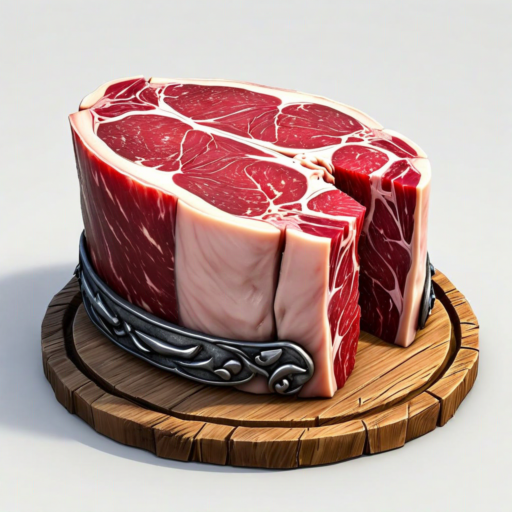
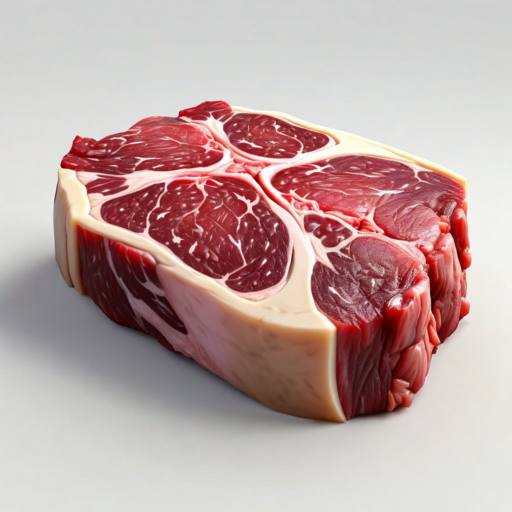
Cheap, chewy meat skinned from bears and boars. Works identically to premium cuts in all cooking recipes.
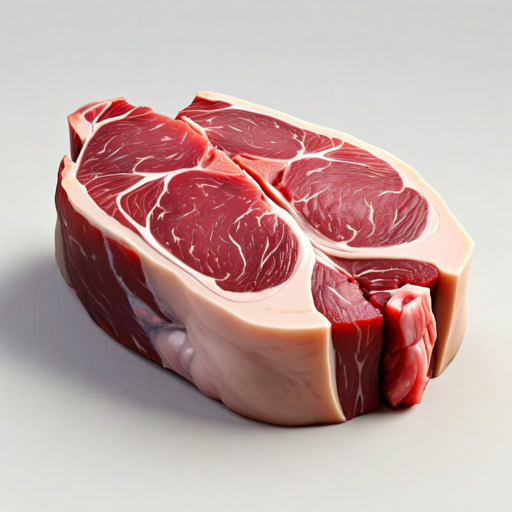
Low-fat meat skinned from rabbits and small game. Interchangeable with all meat types in every cooking recipe.
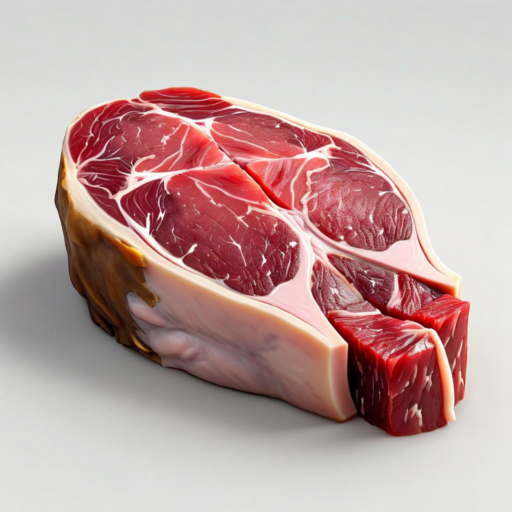
Mid-tier meat skinned from deer and medium wildlife across Pywel. Fully interchangeable with all other meats in cooking.
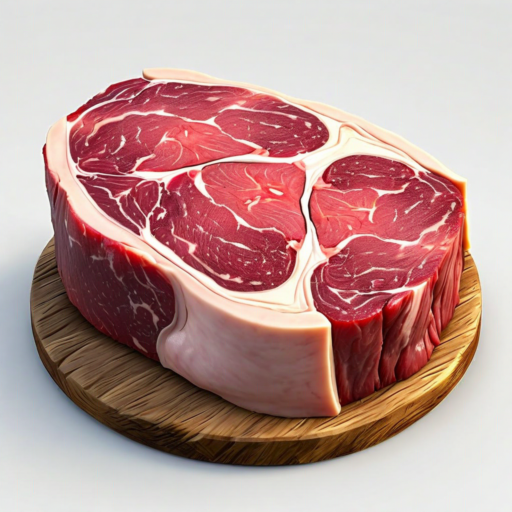
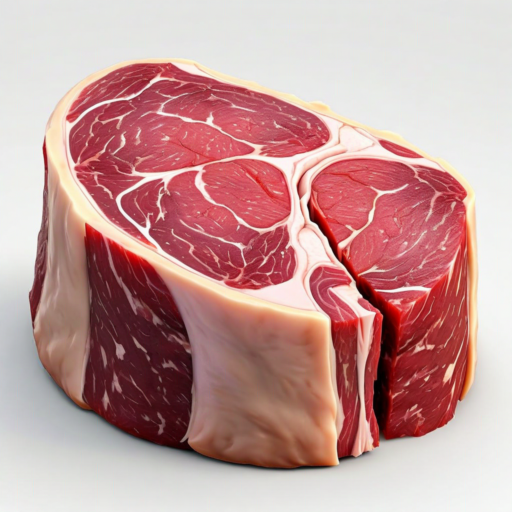
Tender Meat is a high-quality cut obtained by butchering cows and livestock. All meat types produce identical results when cooked.
Premium fat-marbled pork obtained by skinning pigs. Interchangeable with cheaper meats in recipes but boosts quality tier in complex dishes.
Lean Bird Meat is low-fat poultry skinned from small and medium birds. Interchangeable with Bird Meat in all cooking recipes.
Bird Meat is poultry harvested from large birds via butchery. Key ingredient for Bird Soup, Grilled Bird Meat, and Salt-Roasted Bird Meat.
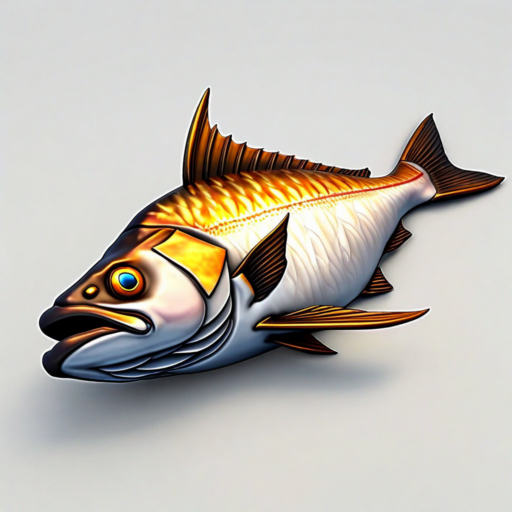
Fish Fillet is a processed cooking ingredient made by cleaning any caught fish. Used in 7+ recipes including porridge and battered dishes.
Beans are a common grain gathered from farmland or bought at grocers. Interchangeable with all grains in every cooking recipe.
Common grain legume gathered from farmland or bought at grocers. Key ingredient in all three Special Meal variants.
Peas are a common grain legume bought from grocers or grown at camp. Interchangeable with beans, lentils, and other grains in cooking.
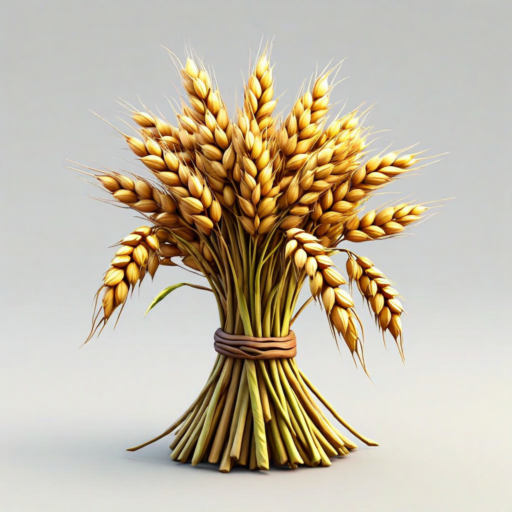
Barley is a common grain gathered from Hernand fields or bought at grocers. Interchangeable with all grains in every cooking recipe.
Versatile grain used in porridges, rice cakes, and soups across Pywel. Also doubles as horse feed — buy from any town grocer.
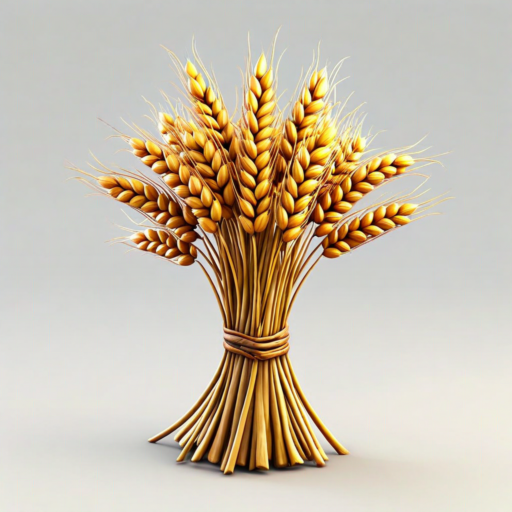
Essential grain from Demeniss. Interchangeable in cooking with all grains — also feeds horses directly.
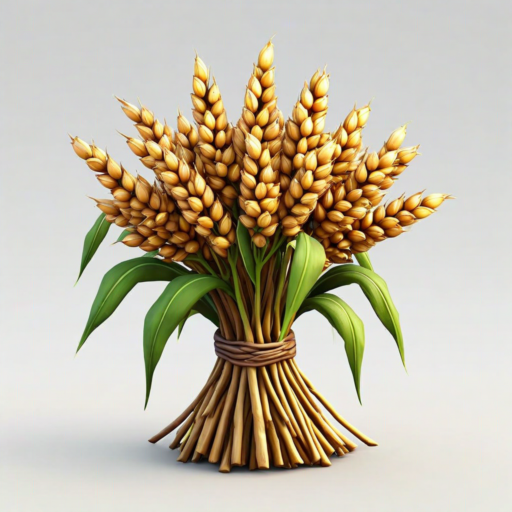
Nutty-flavored mountain grain exclusive to Hernand highlands. Interchangeable with all grains in recipes.
Versatile grain from Hernand farmland. Swaps freely with any grain in cooking and feeds horses directly from inventory.
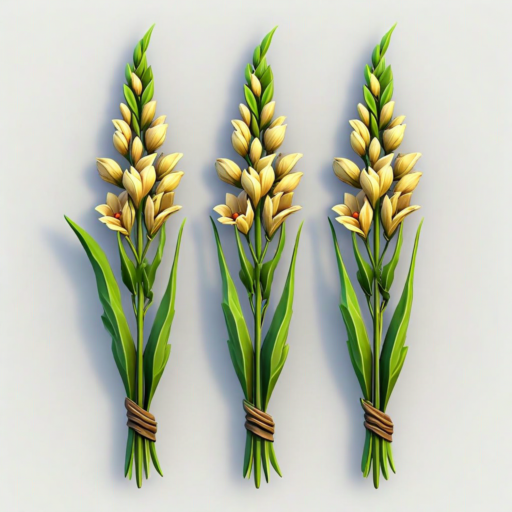
A fibrous plant used for crafting cloth and linen materials.
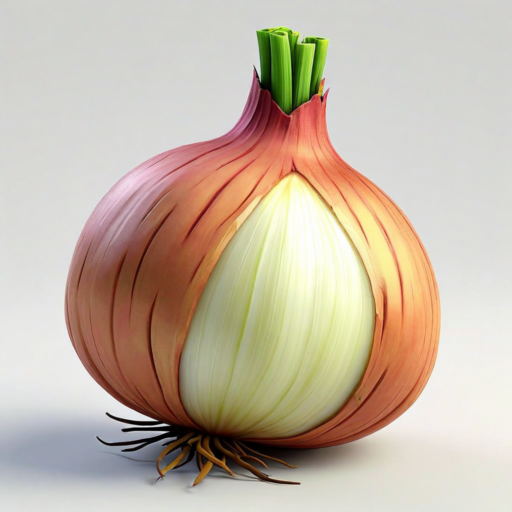
Onion is a pungent bulb vegetable used across field cooking and grilling recipes. Interchangeable with other vegetables.
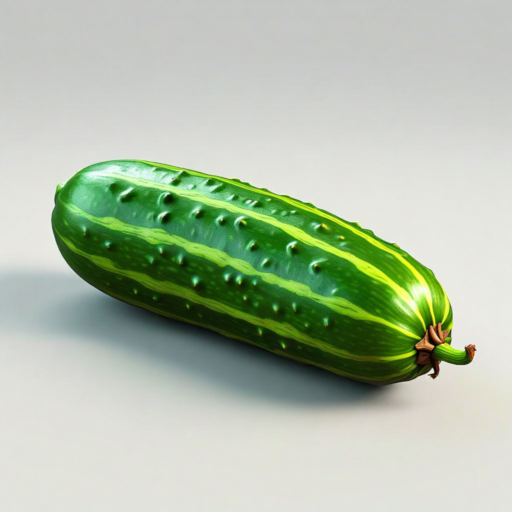
A refreshing vegetable with high water content. Used in cooking.
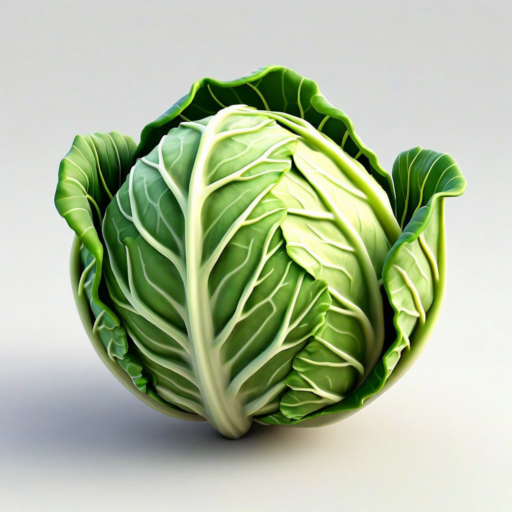
Crisp vegetable perfect for soups and stews. Substitute ingredient in multiple recipes.
Beet — a versatile deep red root vegetable essential to Pywel cooking, used as ingredient in soups and stews.
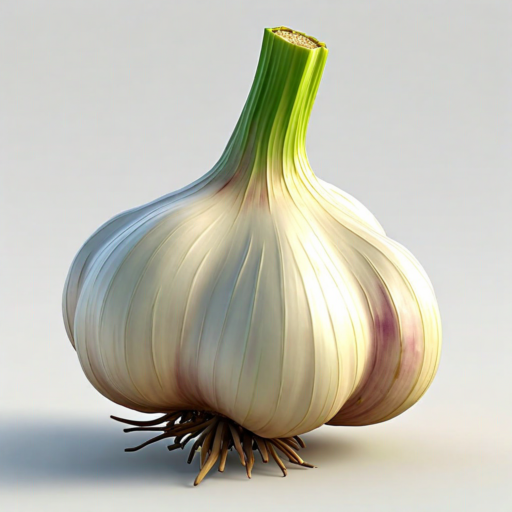
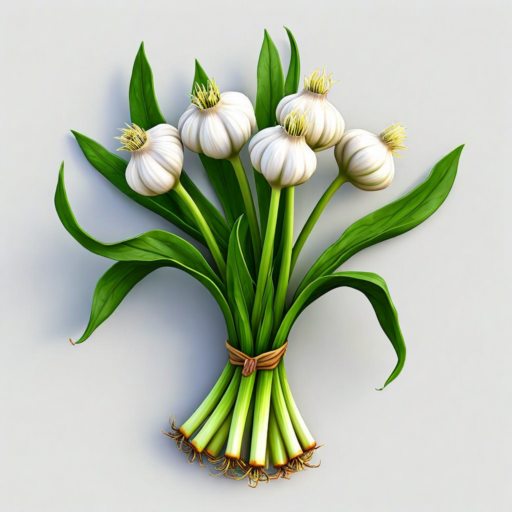
An aromatic bulb used to season food. Essential in many recipes.
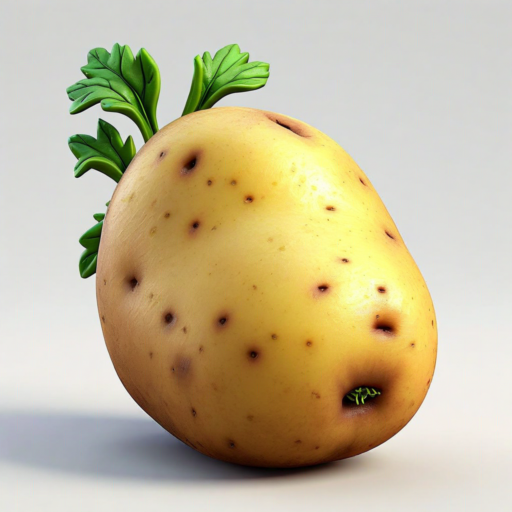
A starchy tuber and staple food. Versatile in cooking.
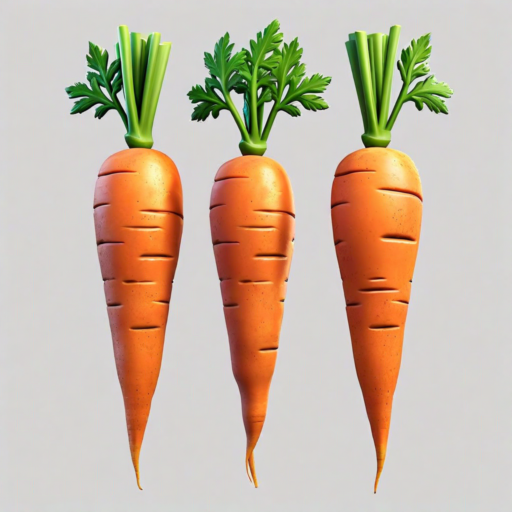
Root vegetable with natural sweetness. Grants +2 Spirit when eaten raw.
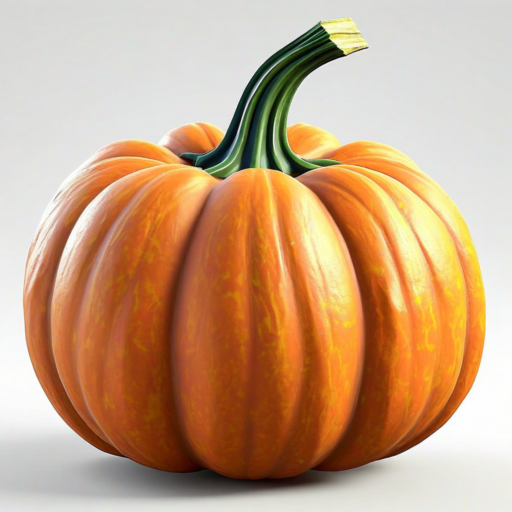
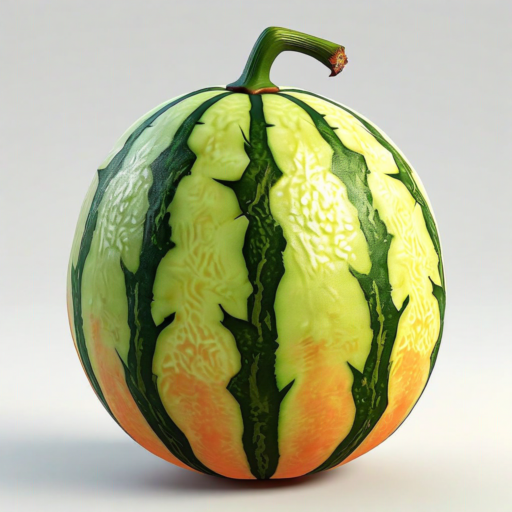
A large, orange gourd with sweet flesh. Used in cooking.
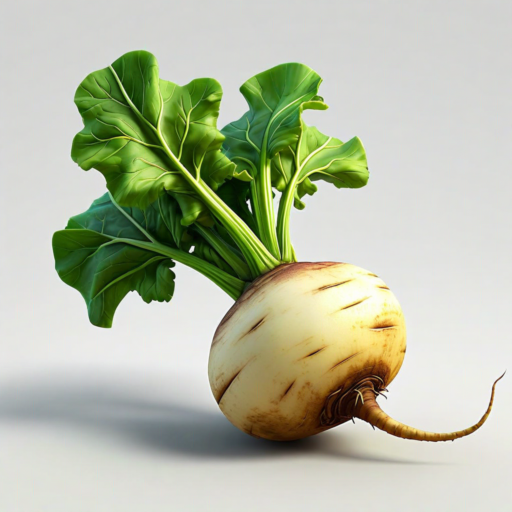
Leafy green vegetable gathered from Hernand and Demeniss farmland. Interchangeable with onion, cucumber, and turnip in cooking recipes.
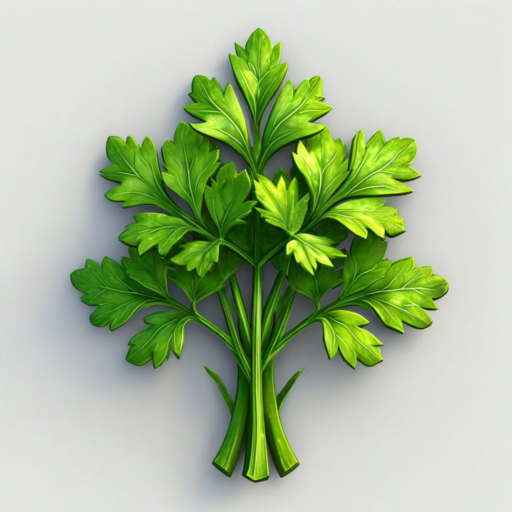
Fragrant culinary herb harvested from Northern Hernand and Pailune borderlands, used as seasoning spice to enhance cooking dish quality.
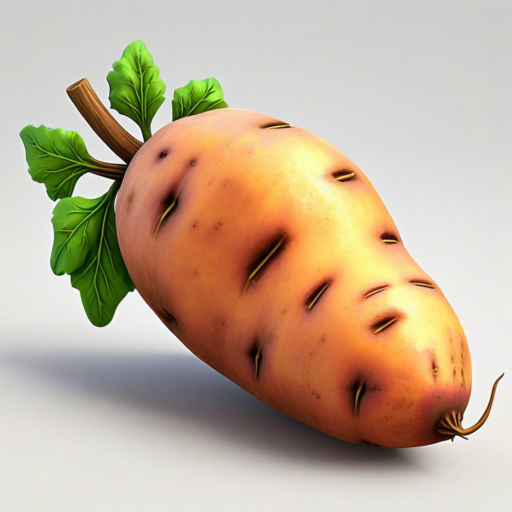
Sweet root vegetable — versatile cooking ingredient and Spirit +2 when eaten raw.
Aromatic bulb from Pailune highlands with pungent flavor. Use in cooking recipes.
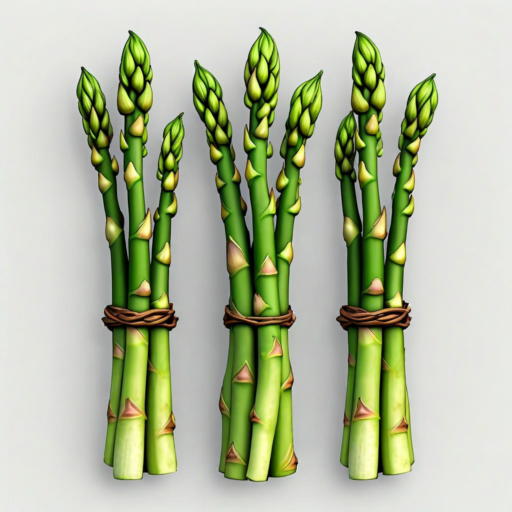
Tender green stalk vegetable. Gathers from wild plants near Hernand river banks. Key cooking ingredient.
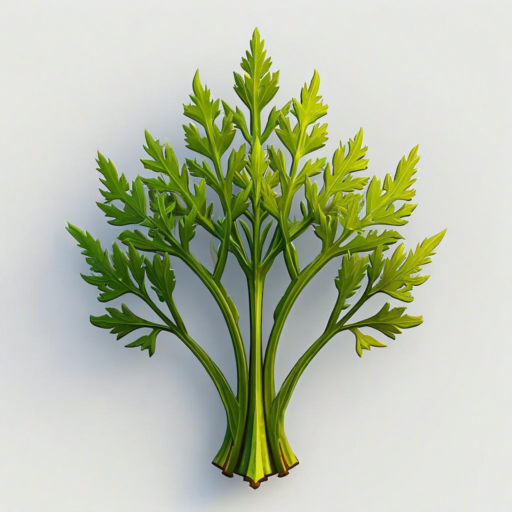
Aromatic herb with fine thread-like leaves. Both seeds and fronds used as savory spice in Pywel cooking.
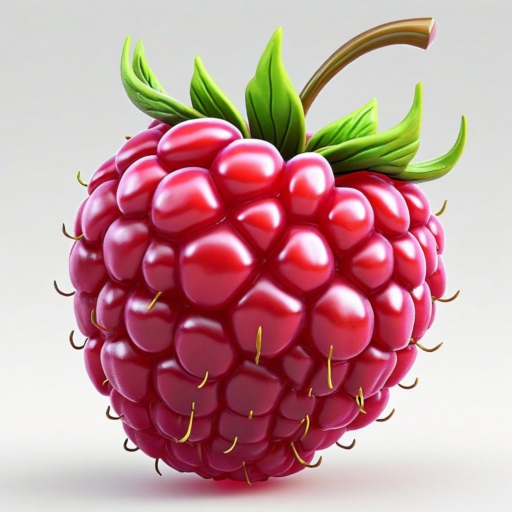
Small fuzzy red berries with tart juice. Essential for spirit-boosting special meals across three regions.
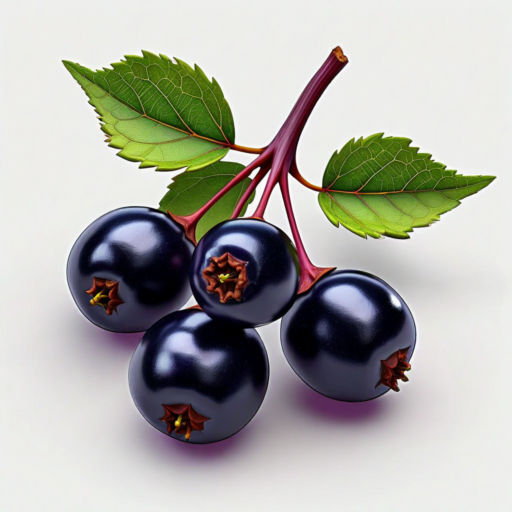
Tart dark-purple berries used in desserts and medicinal beverages.
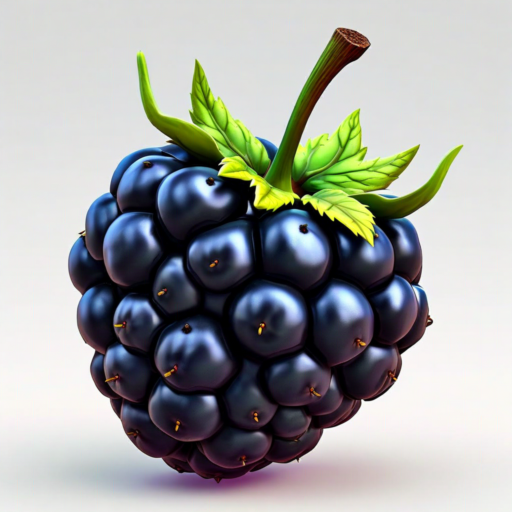
Sweet-tart wild berry prized for cooking and medicinal brews throughout Pywel.
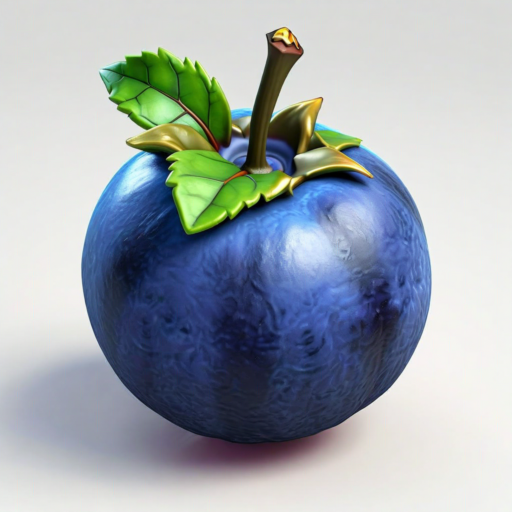
Sweet blue fruit prized for desserts, beverages, and medicinal tonics.
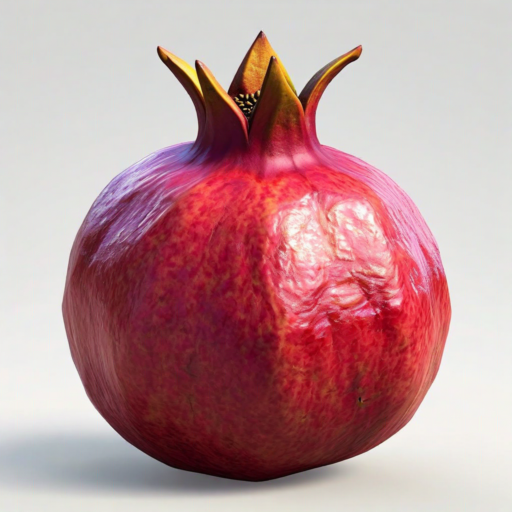
Rare fruit with juicy red seeds. Essential for wine-making and premium cooking recipes.
Exotic fruit exclusive to Demeniss. Sweet, tender pulp prized for wines and gourmet dishes.
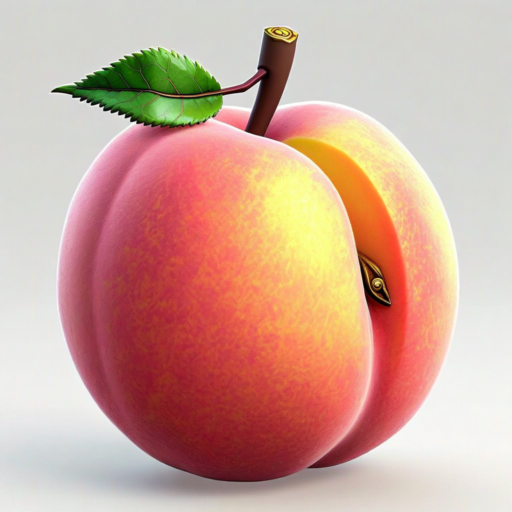
Sweet stone fruit from Delesyia's orchards. Soft, fuzzy skin hides juicy flesh perfect for dessert cooking.
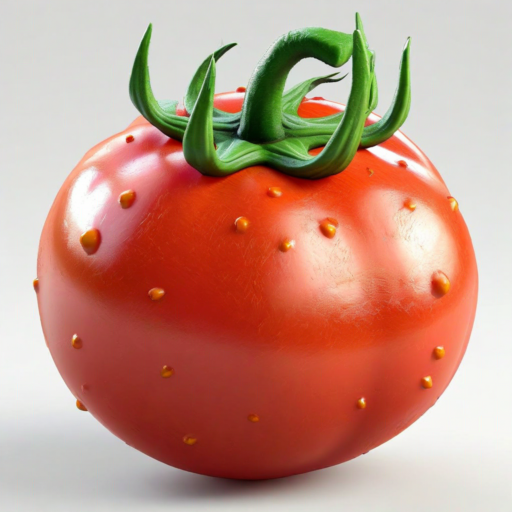
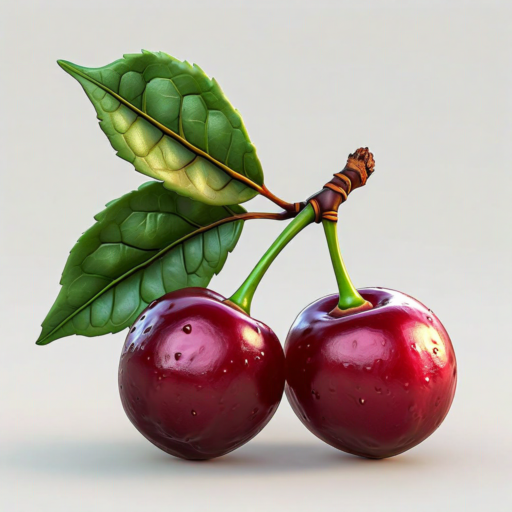
Common red fruit — gather wild or farm at camp. Flexible cooking ingredient, works in stews and sauces.
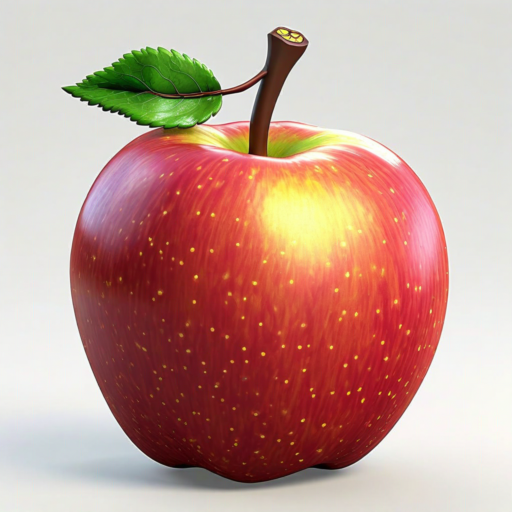
Sweet red fruit with crisp flesh. Versatile ingredient for cooking and spirit recovery.
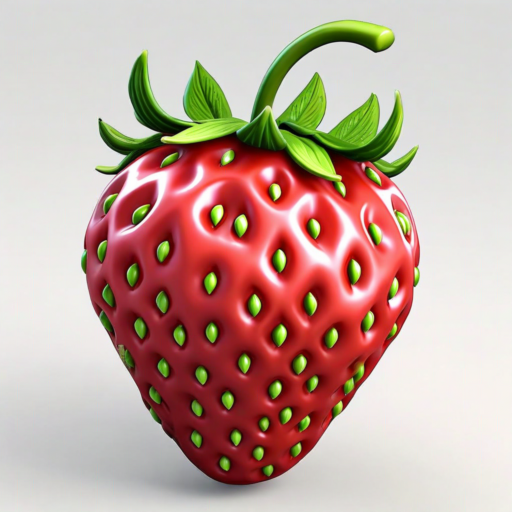
Sweet red berries gathered wild across Demeniss. Restores 25 Spirit when eaten raw; essential in dessert recipes.
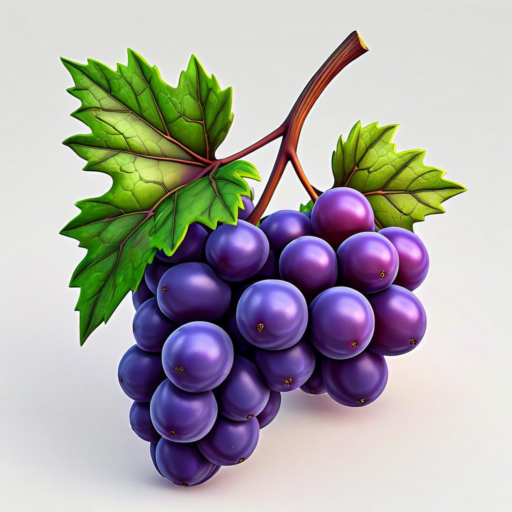
Grape cluster harvested from vines in Demeniss. Key ingredient in Wine and cooking.
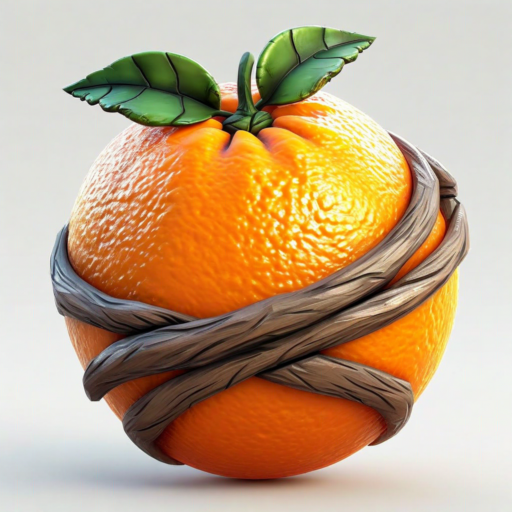
A citrus fruit rich in flavor. Used in cooking and beverages.
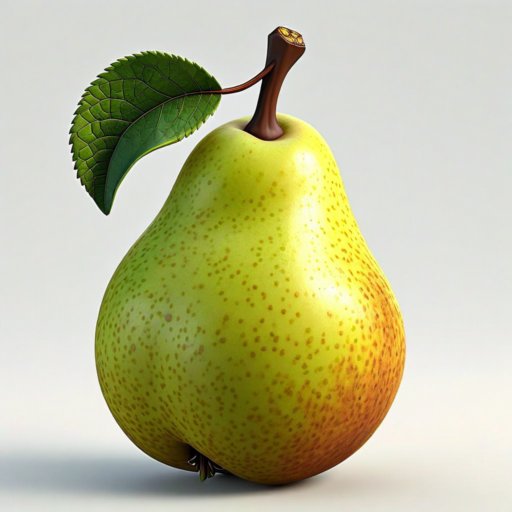
A sweet, juicy fruit with a soft texture. Used in cooking.
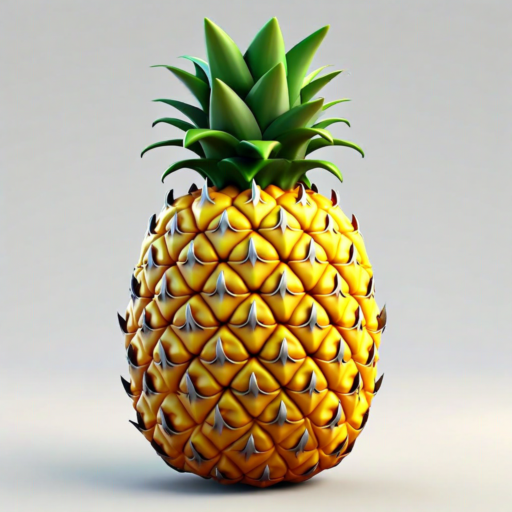
Pineapple is a rare, sweet fruit with tangy acidity. Found in Crimson Desert villages and used as a versatile cooking ingredient.
Sweet desert fruit with bright yellow flesh that naturally tenderizes meat for cooking recipes.
Red fruit from the coffee plant used for brewing coffee and in specialty recipes.
Rare tropical fruit found in desert regions. Essential ingredient for chocolate-based cooking recipes.
Coral Mushroom is a branching mushroom used in cooking and alchemy for stamina restoration.
Oakwood Mushroom enhances Ice Resistance when brewed as tea. Required for Oakwood Mushroom Tea.
Pine Mushroom — widely available resource used for stamina potions and cooking. Refined scent, soft brown cap.
Golden medicinal herb with natural insect-repelling sap. Used in alchemy and potion-brewing.
Common medicinal herb from Hernand woodlands. Essential ingredient for Palmar Pills revival elixir. Abundant early-game resource.
Silky-textured medicinal root gathered throughout Hernand and Delesyia. Key ingredient for Palmar Pills and other alchemy elixirs.
Delicate herb with white star-shaped flowers. Key ingredient for Palmar Pills — craft to revive at 30% HP.
Fragrant awakening herb gathered in Hernand that pushes Spirit past its normal cap. Core ingredient for purple and violet dyes.
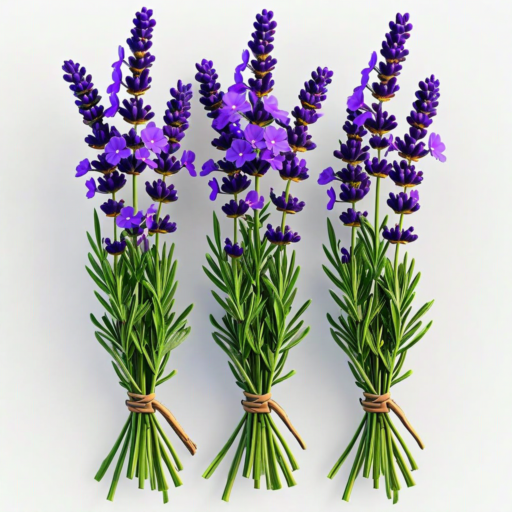
White Lavender awakens your Health stat beyond max. Alchemy herb found on Anvil Hill in Hernand.
Animal horn dropped from cows and goats. Essential ingredient for alchemy and cooking recipes.
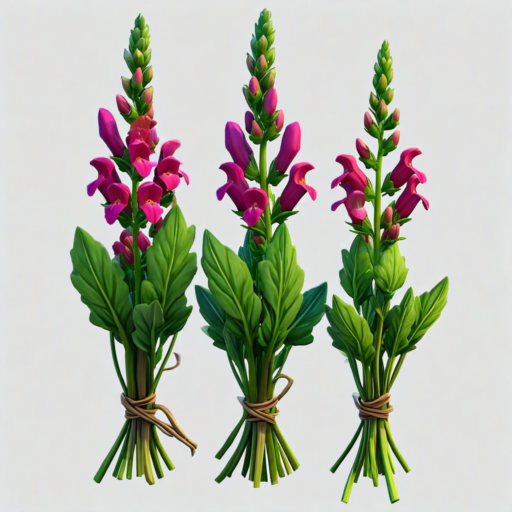
Snapdragon — a white medicinal herb with tubular flowers. Essential for crafting Varnian and Delesyian dyes.
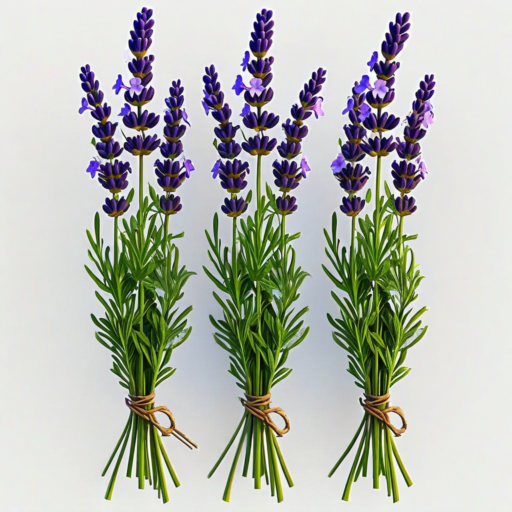
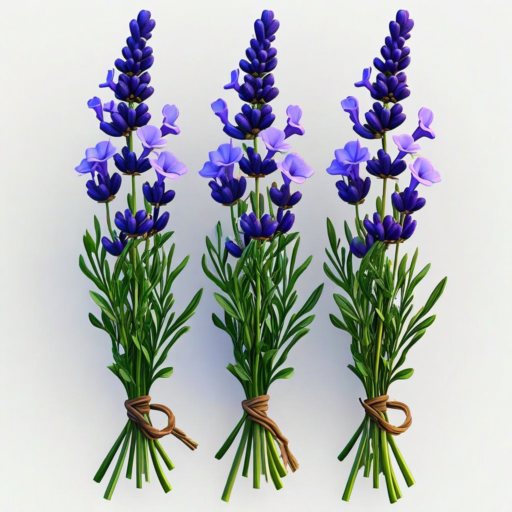
Blue Lavender — awakening herb that hardens the body when consumed. Essential for stat-boosting elixirs.
Medicinal root with potent healing compounds, prized for restorative alchemy. Gather with bare hands.
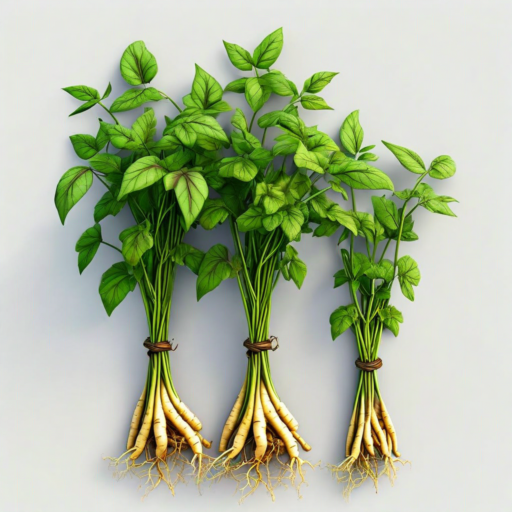
Wild Ginseng is an extremely rare medicinal herb found in deep mountain forests, prized for alchemy and spirit research.
Bear's Gallbladder — rare medicinal organ used in high-tier alchemy recipes. Needed for Refined Palmar Pills.
Awakening herb for alchemy. Use false hellebore in stat-boosting elixirs to push combat stats past their normal maximum.
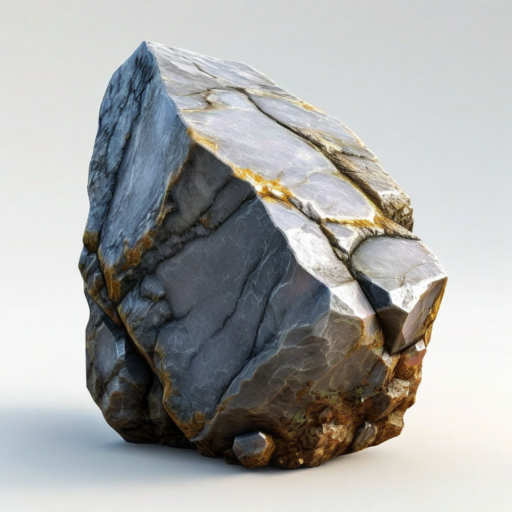
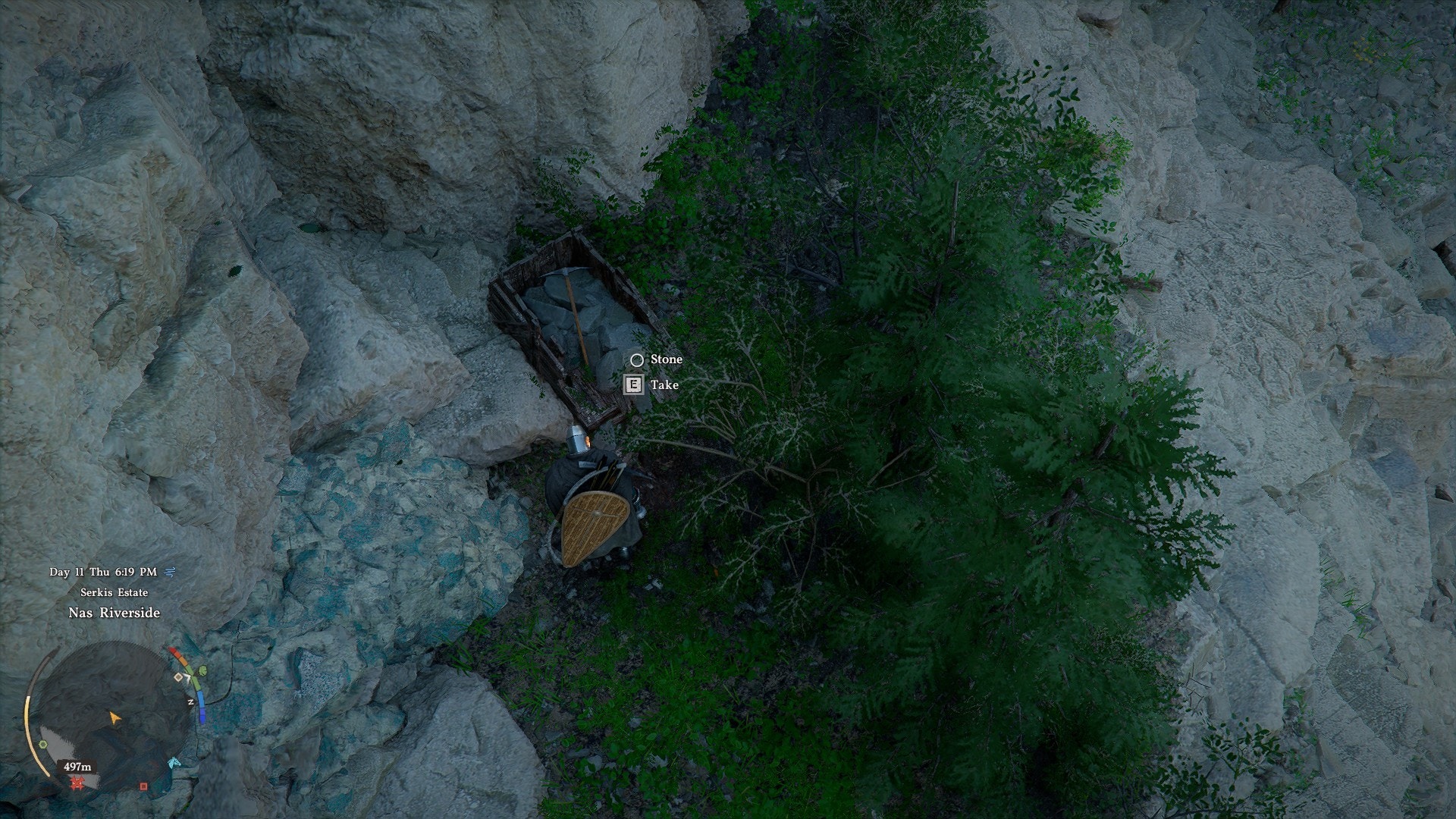
Stone is essential building material gathered by mining. You'll need it to expand Greymane Camp.
Fine Stone is a mineral gathered from cliff nodes, used in advanced building and equipment refinement.
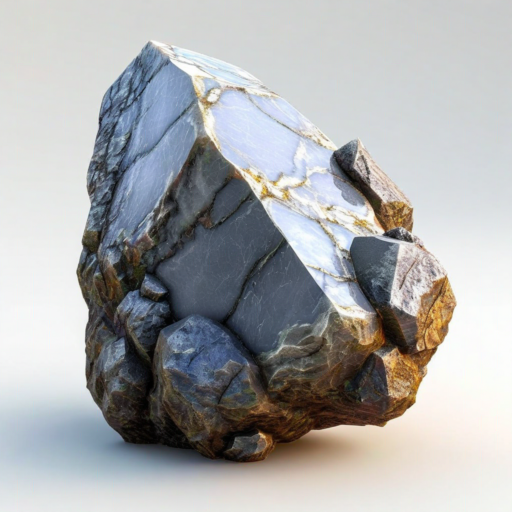
Iron Ore is the most common metallic ore in Pywel, mined from cliff faces and rock seams. Essential for weapon and armor refinement at the blacksmith.
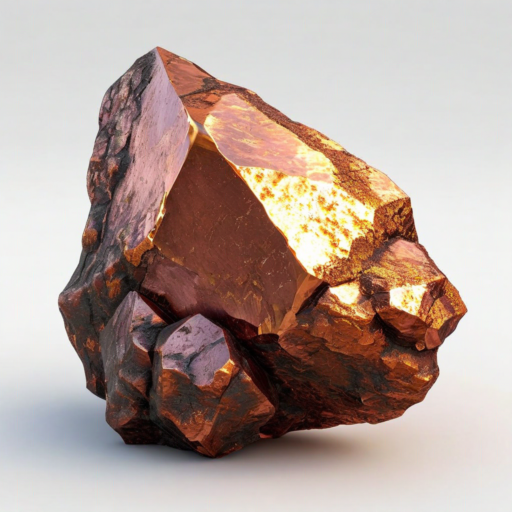
Copper ore is greenish-tinted metallic ore mined from cliffs. Use for weapon and armor upgrades.
Bismuth Ore is a rare, late-game rainbow-metallic ore that requires lightning to extract. Essential for advanced plate armor upgrades.
Rare silvery metal ore mined from remote caves. Used for jewelry crafting and refining high-tier equipment at the blacksmith.
Gold Ore is a precious metal ore mined from Anvil Hill in Demeniss. Required for refining jewelry and accessories for endgame progression.
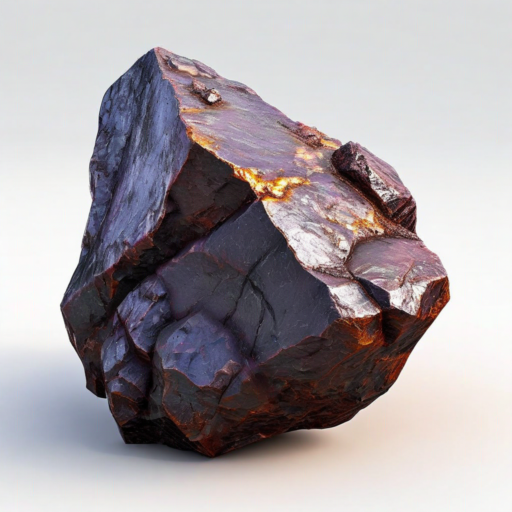
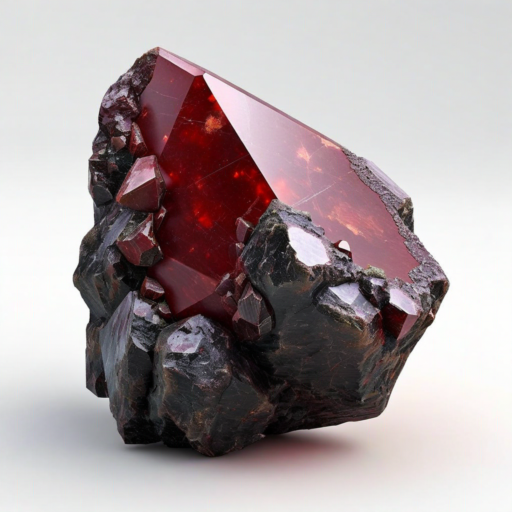
Red ore you'll need to refine weapons, armor, and shields at the blacksmith past level 4.
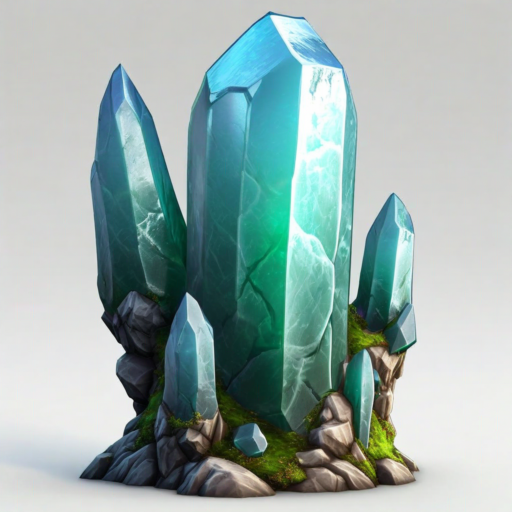
Blue crystal gem used for jewelry refinement at the blacksmith. Glow bluish when mined.
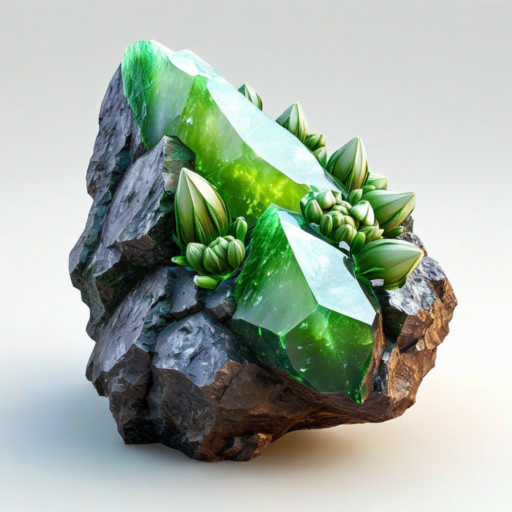
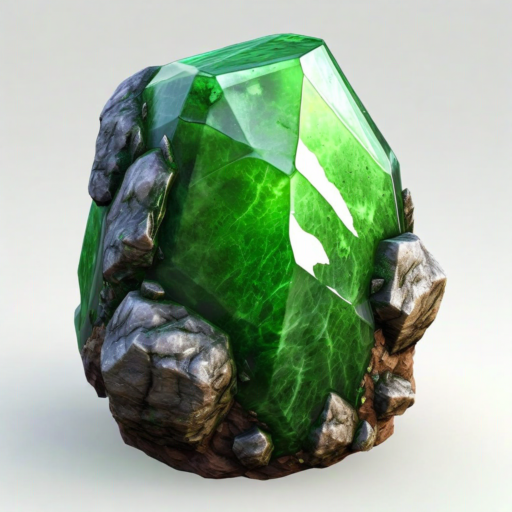
Green gem crystal mined from mountainous nodes. Essential for jewelry refinement at blacksmiths.
Diamond is the rarest gem in Pywel, mined from cave deposits with a pickaxe. Used to craft Abyss Cores and refine high-tier jewelry at the blacksmith.
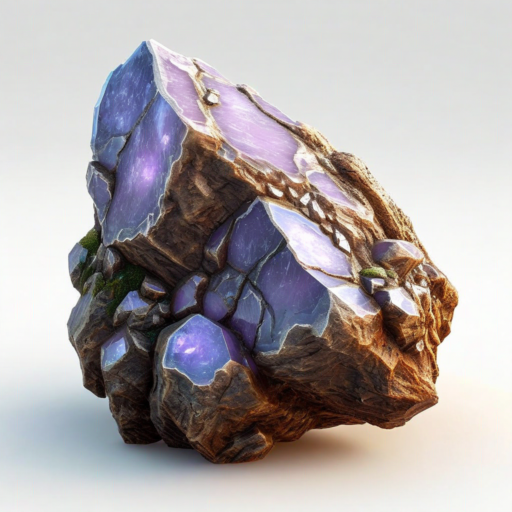
Rare cave mineral formation. Mined from stalactite formations in deep caverns.
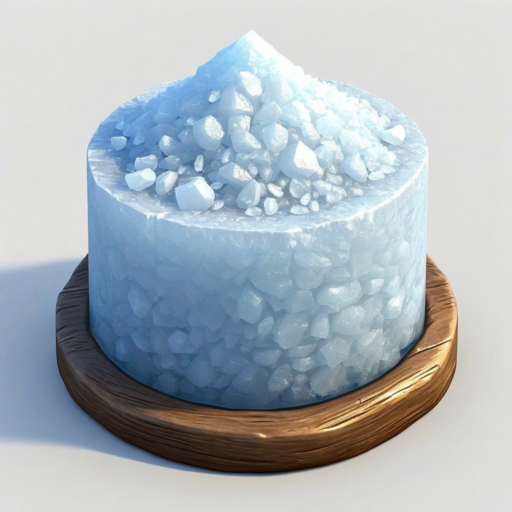
Essential seasoning used in 8 cooking recipes. Always available and affordable from Grocer shops. Core ingredient for soups and roasted dishes.
Sweet crystalline seasoning purchased from merchants—essential ingredient for dessert and beverage recipes.
Essential cooking ingredient providing Fire Resistance. Purchased from Grocer NPCs across Pywel.
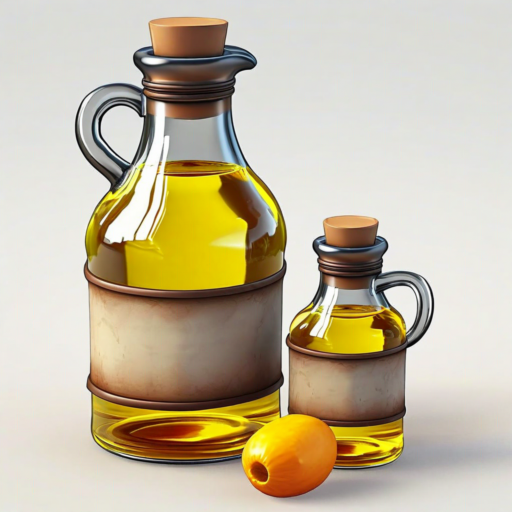
Cooking Oil is an essential seasoning ingredient for frying and battered dishes. Purchased from Grocer merchants in all towns.
Fresh egg essential for batter-coated dishes and grain recipes. Buy at Grocer shops in Hernand and other towns.
Fresh dairy from Dairy Cows used in cooking and beverages. A key ingredient in numerous recipes and a renewable resource from your ranch.
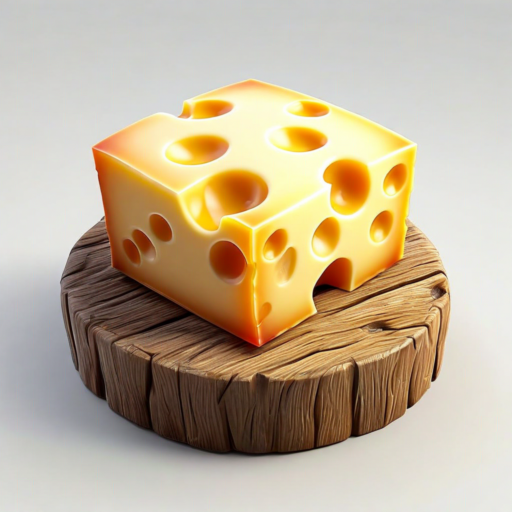
Aged dairy product essential for cooking recipes throughout Crimson Desert. Purchase from Grocer shops in all major towns.
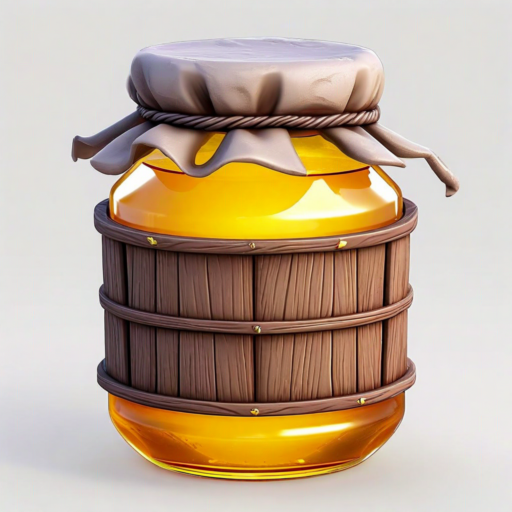
Sweet golden honey with floral aroma. Essential for Honey Tea and alchemy — purchasable from Grocers.
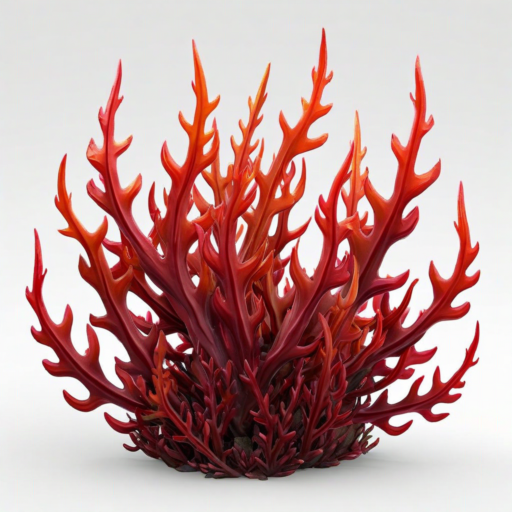
A type of edible seaweed with a distinctive red color. Used in cooking.
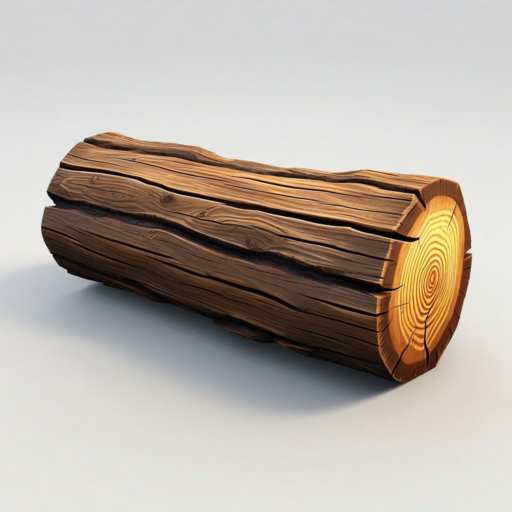
Basic wood resource gathered by felling trees with a Logging Axe. Essential for weapon and equipment crafting.
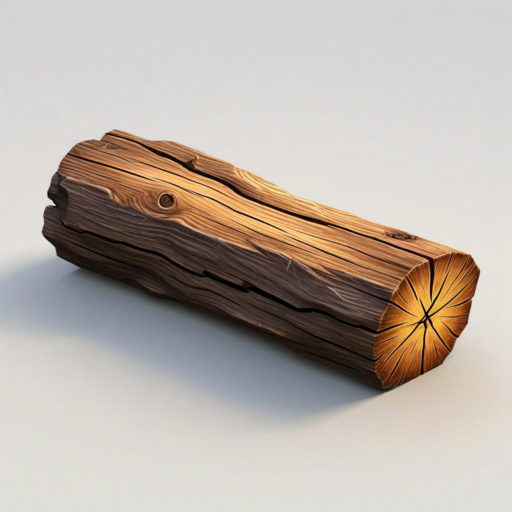
High-quality wood obtained by logging trees with a Logging Axe. Primary material for upgrading wooden shields and crafting bows.
Soft, flexible hide from small animals — used for light armor refinement and decorations.
Premium animal hide from large creatures. Essential material for crafting high-tier leather armor.
Medium-tier hide from deer, wolves, and boars. Essential for crafting and refining mid-level leather armor.
Hide with short fur for refinement. Dropped by deer, goats, cows, sheep, foxes, and moose across Hernand, Pailune, and Delesyia.
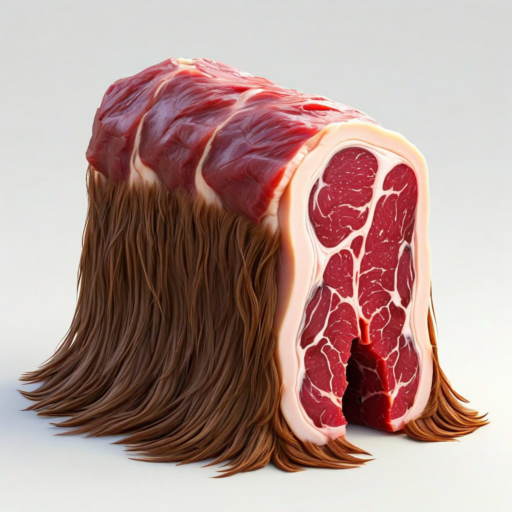
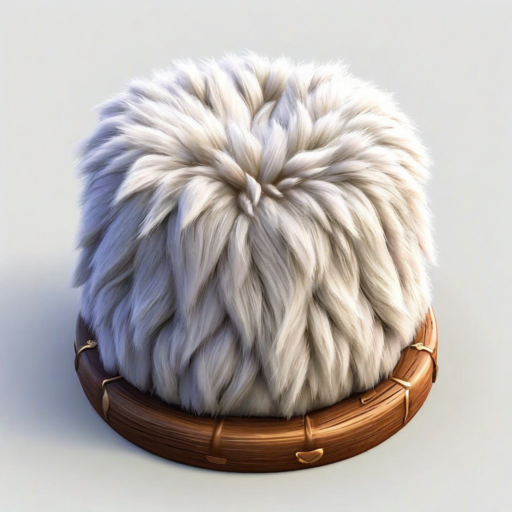
Long-haired animal hide used at the blacksmith to upgrade coats and leather armor with cold resistance.
Small animal bone for refinement upgrades. Skin wolves, deer, and goats to obtain.
A sharp tooth from a predatory animal. Used in crafting and alchemy.
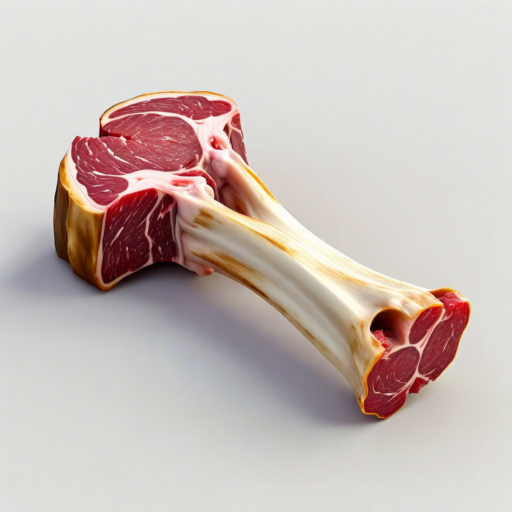
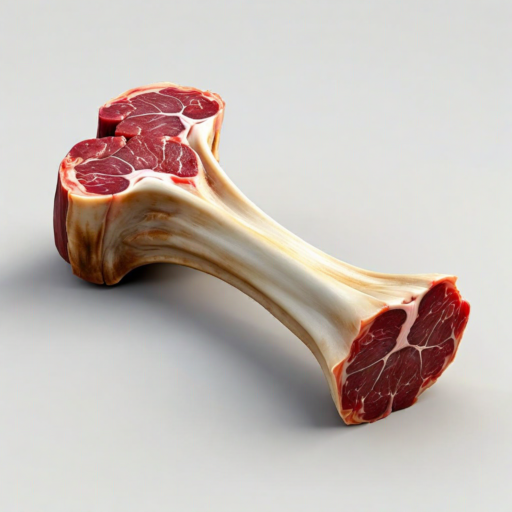
Large animal bone obtained from skinning cows, boars, and bears. Used in crafting.
Soft wool for armor refinement. Farm from sheep ranches or defeat bandits in Hernand.
A bird feather used in crafting arrows and light equipment.
Explosive powder used in crafting ammunition. Handle with care.
Essential glass container required for every alchemy recipe. Buy in bulk from Provisioners.
Tough spider silk collected from cobwebs. Functions as a Lesser Catalyst for alchemy recipes like Lesser Elixirs. Collect two per cobweb pass.
Common fabric scrap used to refine soft armor, cloaks, and jewelry at the blacksmith.
Metal gear component dropped by mechanical enemies. Essential for crafting mech equipment and high-tier armor.
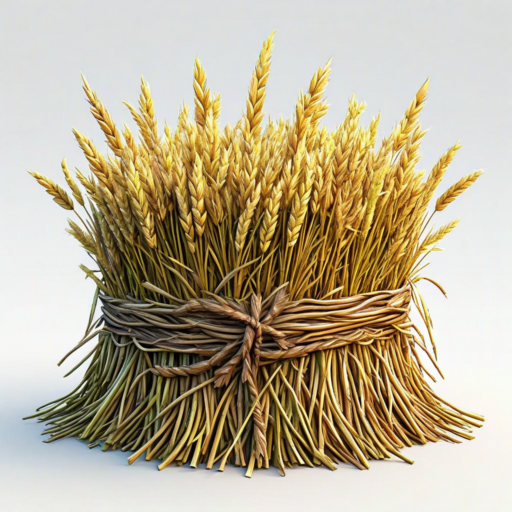
Dried grass for horse feed and crafting. Gather from hay bales in farmland areas.
Holy Water purchased from church vendors. Essential ingredient for high-tier alchemy — craft Platinum.
Nocturnal arthropod found near Hernand City — key alchemy ingredient.
Uncommon butterfly with leaf-like wings for alchemy crafting. Found in the south Deepwoods near kilns.
Insect that hunts along water's edge. Alchemy reagent granting temporary Max Health boost.
Butterfly with distinctive white streaks. Alchemy reagent that enhances elixir effects based on its properties.
A rare fritillary butterfly with distinctive orange and black markings. Caught by hand near Hernand — essential alchemy ingredient.
A butterfly with prominent eyespots on wings. Used in alchemy recipes.
A large butterfly with distinctive tail-like wing extensions. Valuable alchemy ingredient.
A bright yellow butterfly with orange bar markings. Used in alchemy.
A tiny insect attracted to fruit. Used in alchemy.
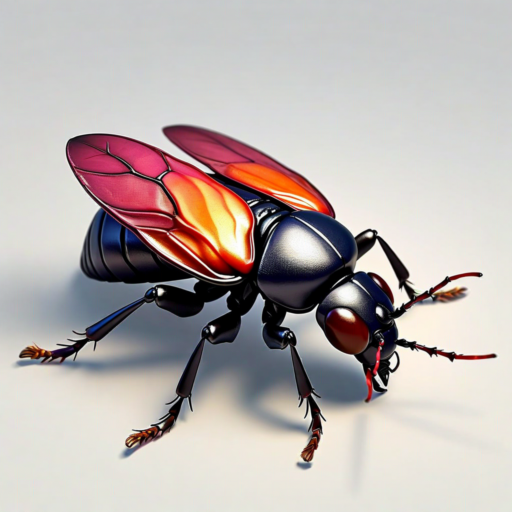
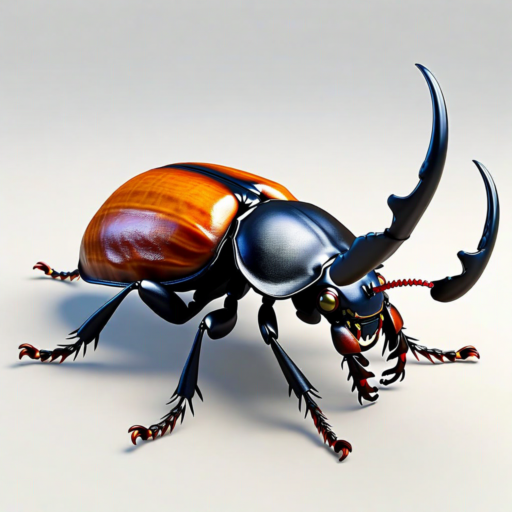
Large horned beetle found on forest trees. Key ingredient for dark red dye and specialty alchemy recipes.
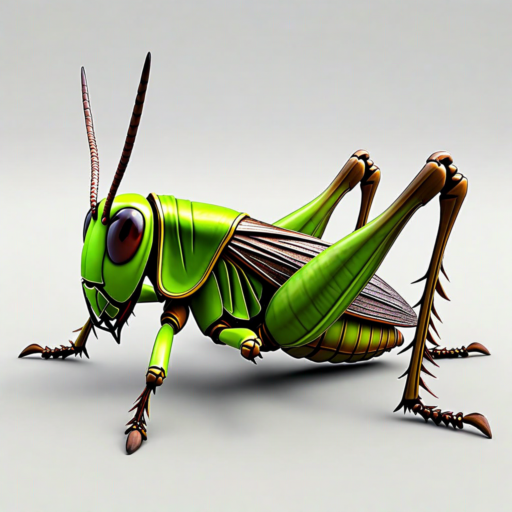
A jumping insect found in grasslands. Used in alchemy.
Slow-moving mollusk found in damp areas. Key alchemy reagent for potions and elixirs.
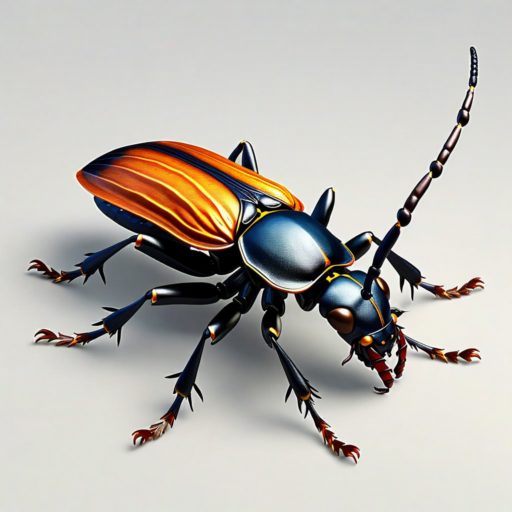
Long-antennae beetle for alchemy and dark red dye crafting. Found on dead trees in forests.
Aquatic insect that skates on water surfaces. Essential alchemy ingredient found near rivers and ponds.
Rare blue-winged peacock butterfly with distinctive eyespots. Used in luxury dye and alchemy recipes.
Sealed Abyss Artifact — collectible item granting skill points and progression rewards in the Abyss.
Abyss Artifacts unlock skills and refine gear. Gained through leveling, challenges, and enemy drops.
Organic material crafted into Abyss Gears and stat enhancements. Farm from Bismuth creatures.
Rare respec currency. Consume to reset entire Skill Tree and reallocate all Abyss Artifact points.
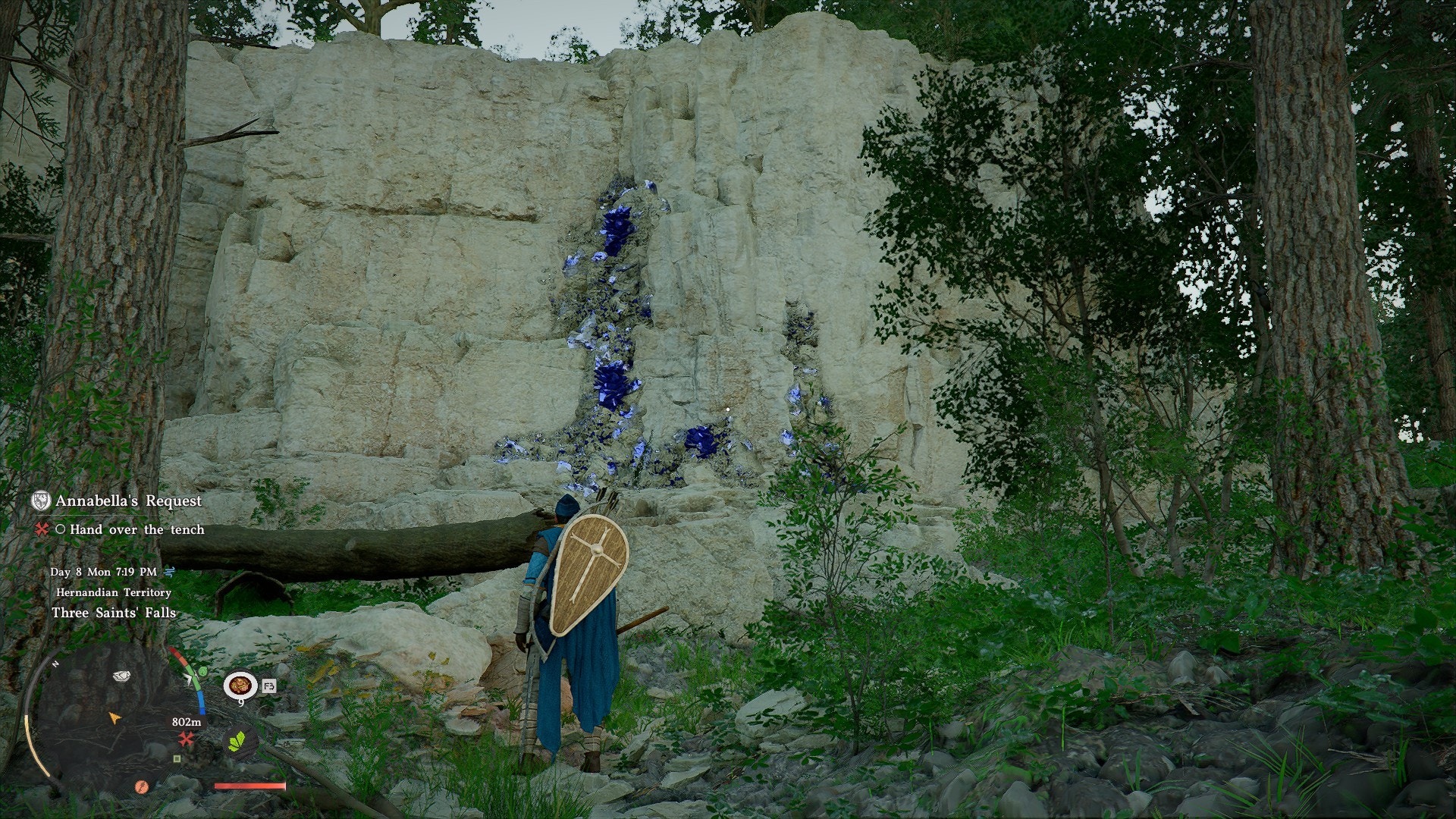
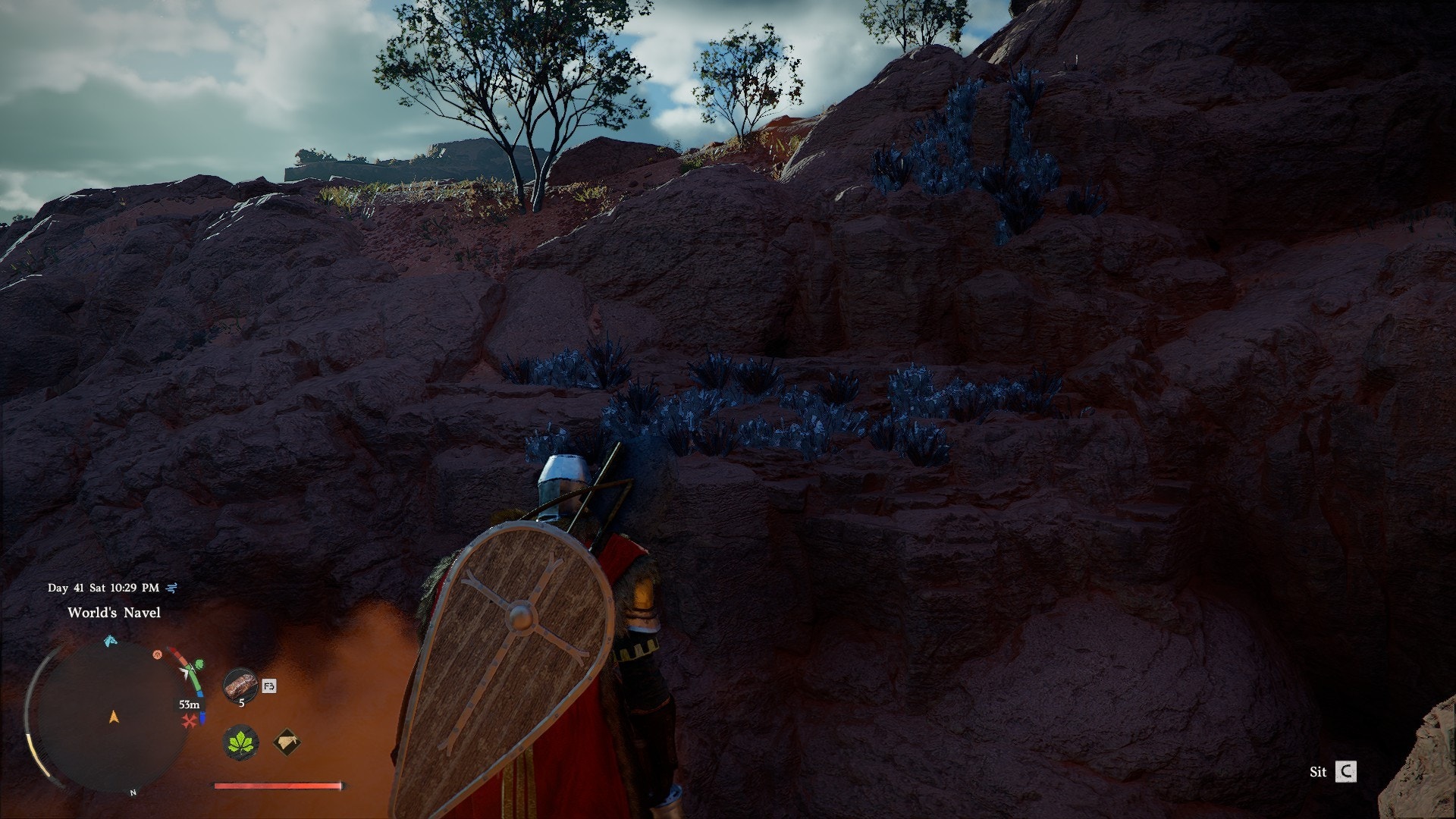
Azurite Vein is a mineable ore node found across Crimson Desert. Strike it with a pickaxe to collect raw ore for smithing, upgrades, and crafting recipes.
Bismuth Ore Deposit is a mineable ore node found across Crimson Desert. Strike it with a pickaxe to collect raw ore for smithing, upgrades, and crafting recipes.
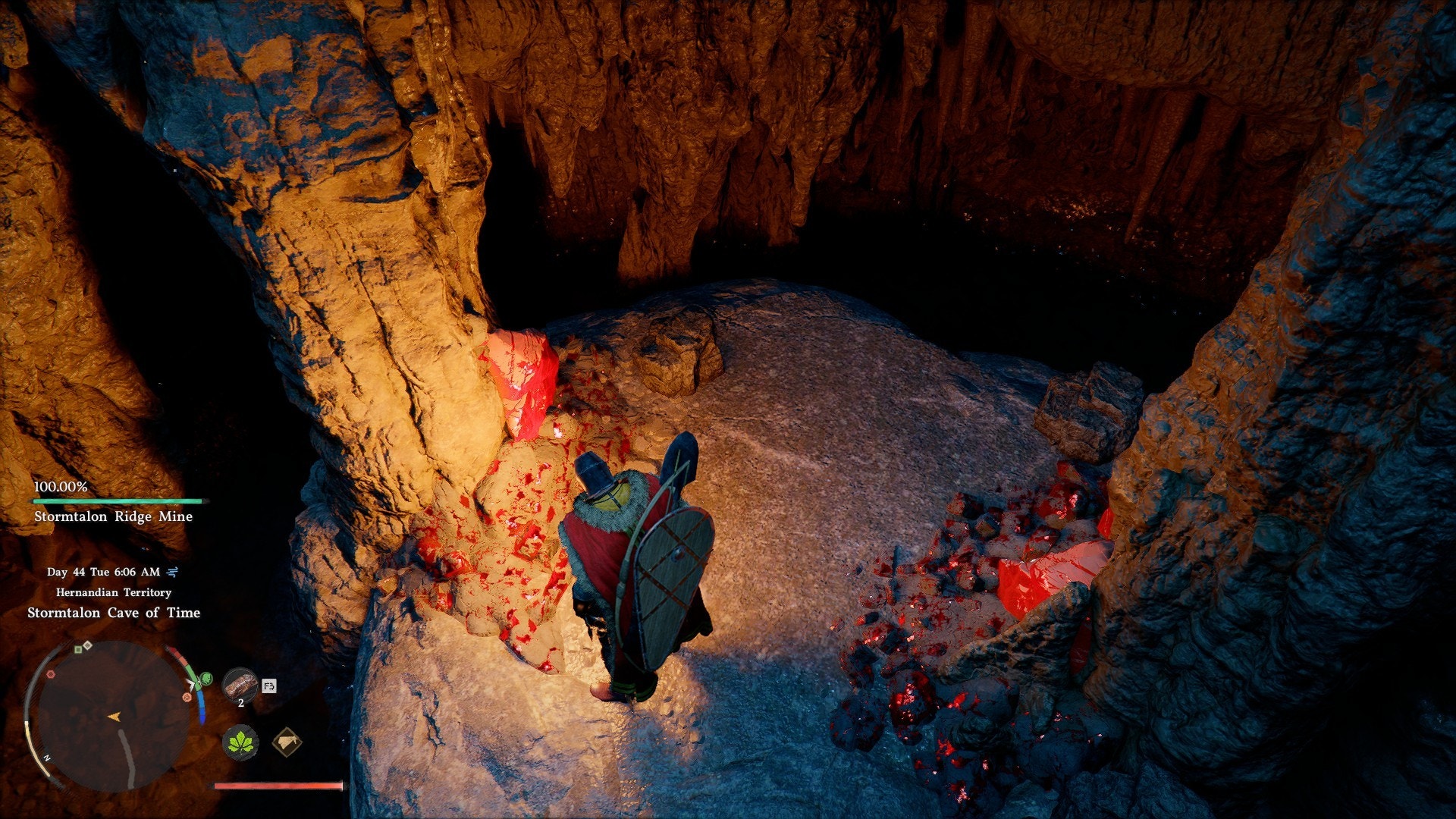
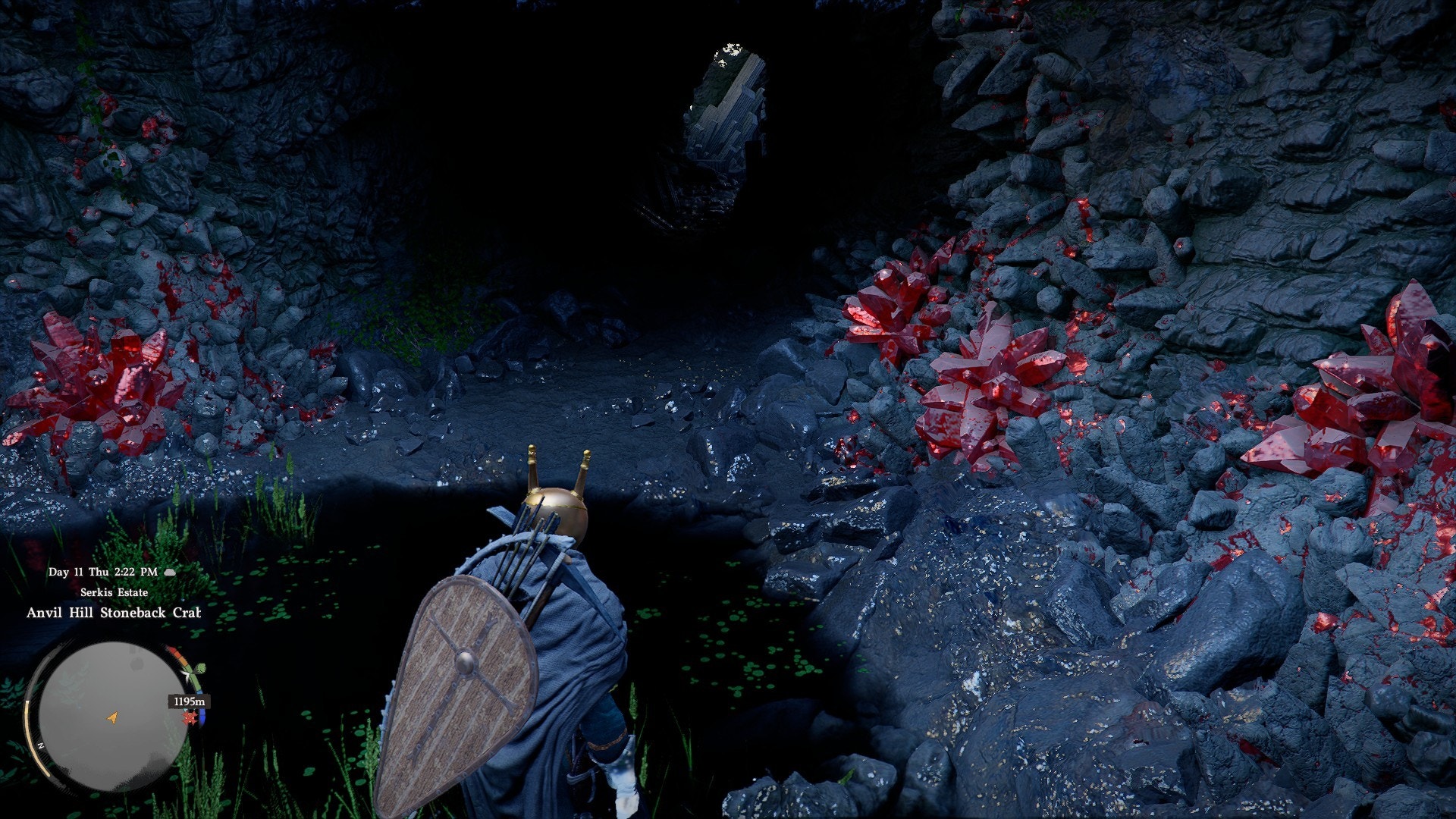
Bloodstone Deposit is a mineable ore node found across Crimson Desert. Strike it with a pickaxe to collect raw ore for smithing, upgrades, and crafting recipes.
Copper Vein is a mineable ore node found across Crimson Desert. Strike it with a pickaxe to collect raw ore for smithing, upgrades, and crafting recipes.
Coral Mushrooms is a mushroom you can forage by hand. Often used in cooking recipes and alchemy formulas for restorative dishes and elixirs.
Diamond Mineral is a rare gem deposit. Mine it with a pickaxe to gather precious stones used for high-tier crafting and equipment upgrades.
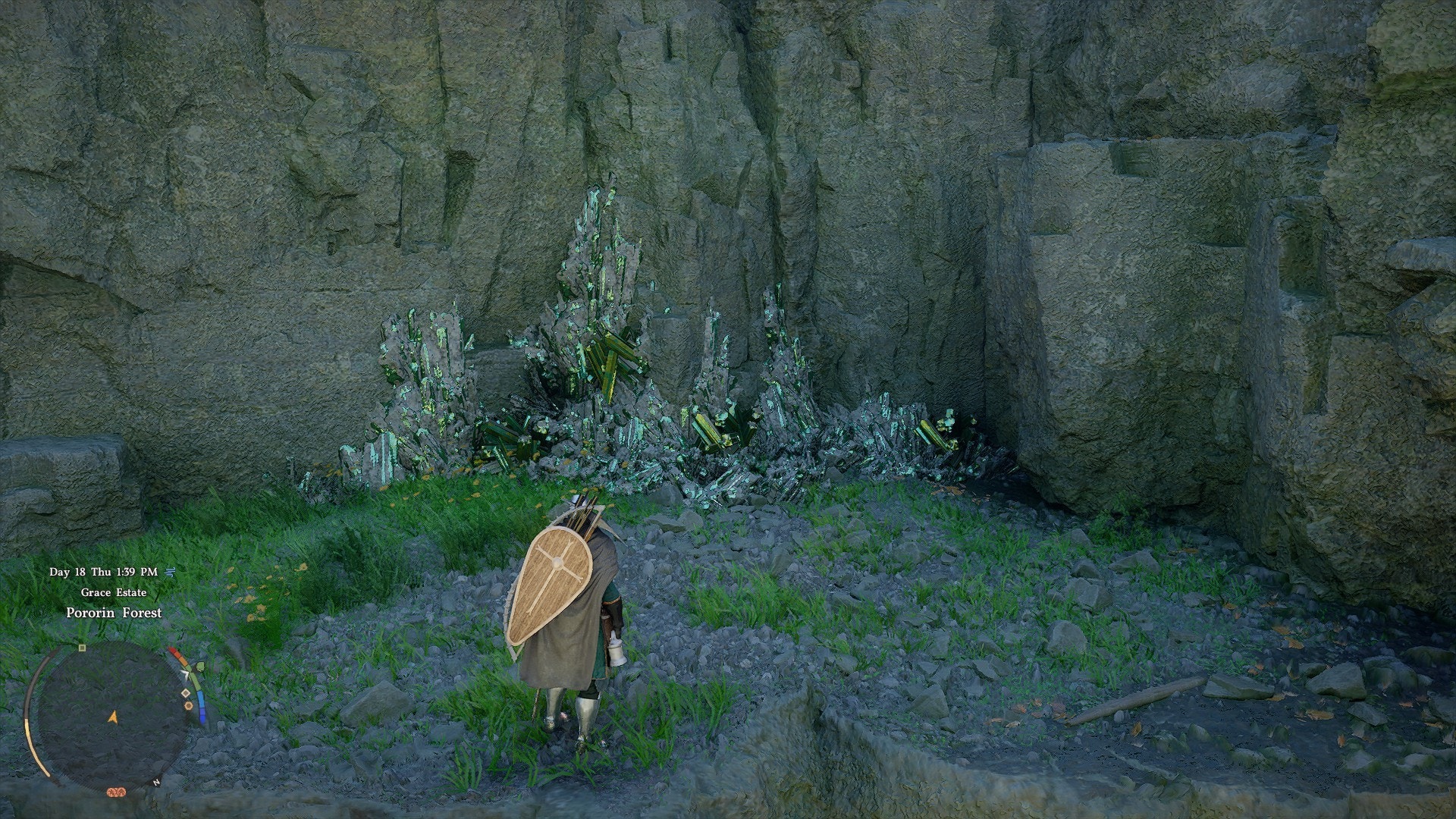
Epidote Vein is a mineable ore node found across Crimson Desert. Strike it with a pickaxe to collect raw ore for smithing, upgrades, and crafting recipes.
Garnet is a gatherable material found in the world. Collect it to use as a crafting ingredient in recipes, alchemy, or equipment upgrades.
Garnet Mineral is a mineral node scattered across the world. Break it with a pickaxe to collect crafting materials for gear and consumables.
Garnet Vein is a mineable ore node found across Crimson Desert. Strike it with a pickaxe to collect raw ore for smithing, upgrades, and crafting recipes.
Garnet x4 is a gatherable material found in the world. Collect it to use as a crafting ingredient in recipes, alchemy, or equipment upgrades.
Gold Mine is a mineable ore node found across Crimson Desert. Strike it with a pickaxe to collect raw ore for smithing, upgrades, and crafting recipes.
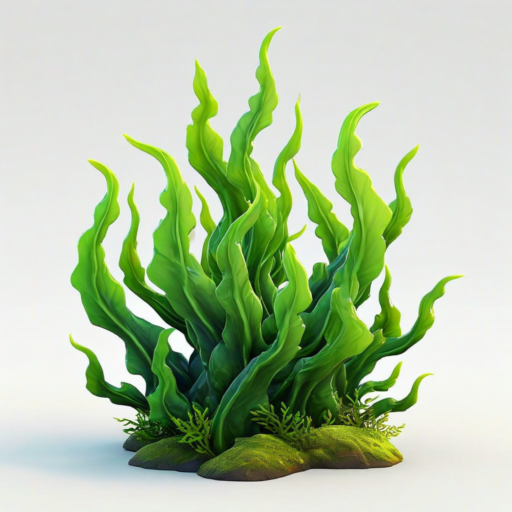
Green Algae is a gatherable material found in the world. Collect it to use as a crafting ingredient in recipes, alchemy, or equipment upgrades.
Iron Vein is a mineable ore node found across Crimson Desert. Strike it with a pickaxe to collect raw ore for smithing, upgrades, and crafting recipes.
Mercury is a gatherable material found in the world. Collect it to use as a crafting ingredient in recipes, alchemy, or equipment upgrades.
Lentitula is a gatherable material found in the world. Collect it to use as a crafting ingredient in recipes, alchemy, or equipment upgrades.
Ancient Rift Palmar Leaf is a gatherable plant found in the wilds of Pyrein. Pick it by hand to collect ingredients for cooking, alchemy, and quest turn-ins.
Palmar Leaf is a gatherable plant found in the wilds of Pyrein. Pick it by hand to collect ingredients for cooking, alchemy, and quest turn-ins.
Southern Eldertree is a gatherable material found in the world. Collect it to use as a crafting ingredient in recipes, alchemy, or equipment upgrades.
Bluberries is a gatherable material found in the world. Collect it to use as a crafting ingredient in recipes, alchemy, or equipment upgrades.
Cotton is a gatherable material found in the world. Collect it to use as a crafting ingredient in recipes, alchemy, or equipment upgrades.
Croton is a gatherable material found in the world. Collect it to use as a crafting ingredient in recipes, alchemy, or equipment upgrades.
Dendrobium Orchid is a gatherable material found in the world. Collect it to use as a crafting ingredient in recipes, alchemy, or equipment upgrades.
Enset Fruit is a gatherable plant found in the wilds of Pyrein. Pick it by hand to collect ingredients for cooking, alchemy, and quest turn-ins.
Patch of Strawberries is a gatherable material found in the world. Collect it to use as a crafting ingredient in recipes, alchemy, or equipment upgrades.
Peony is a gatherable material found in the world. Collect it to use as a crafting ingredient in recipes, alchemy, or equipment upgrades.
Red Croton is a gatherable material found in the world. Collect it to use as a crafting ingredient in recipes, alchemy, or equipment upgrades.
Rubber Tree is a gatherable material found in the world. Collect it to use as a crafting ingredient in recipes, alchemy, or equipment upgrades.
Taro Plant is a gatherable plant found in the wilds of Pyrein. Pick it by hand to collect ingredients for cooking, alchemy, and quest turn-ins.
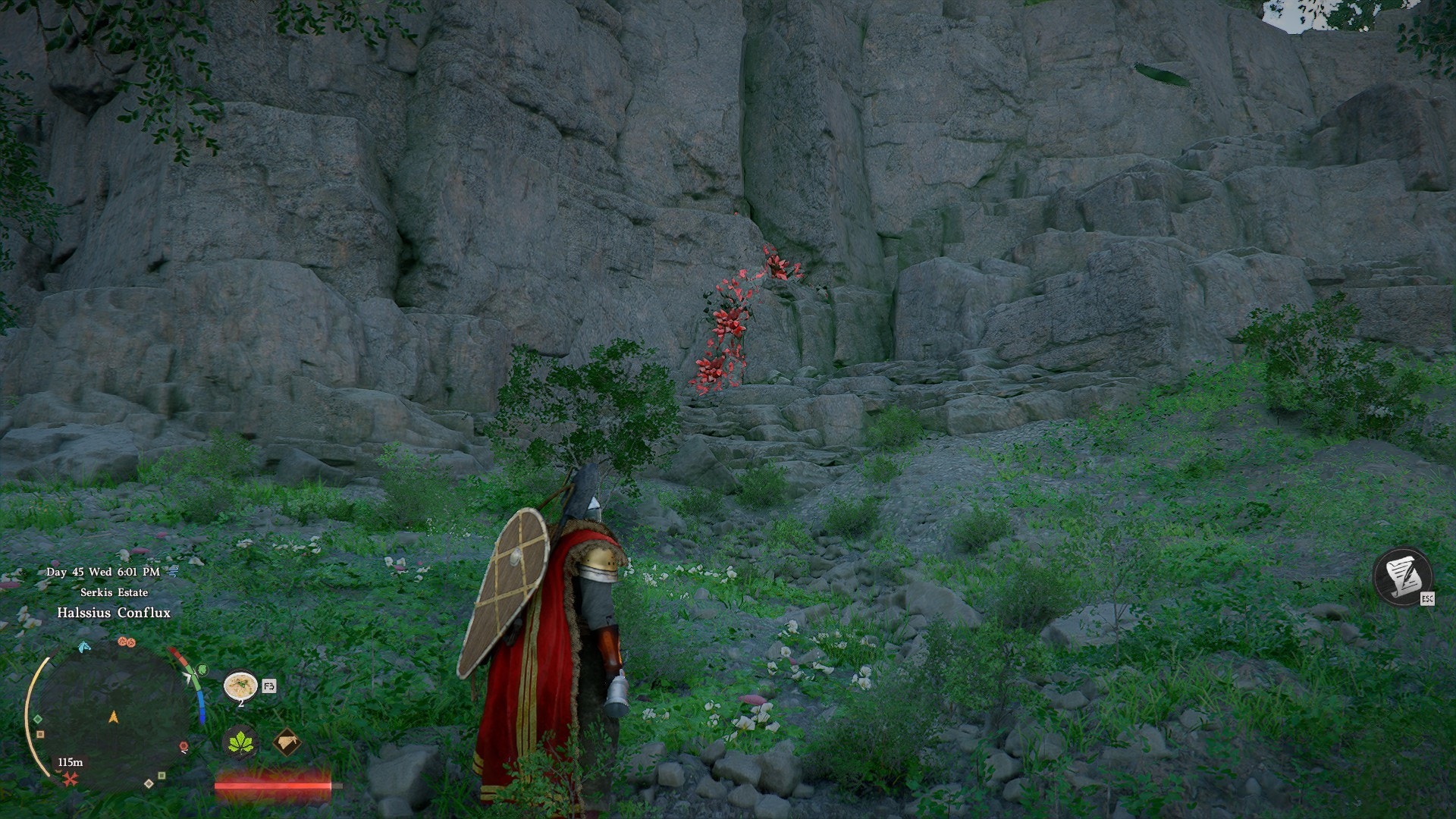
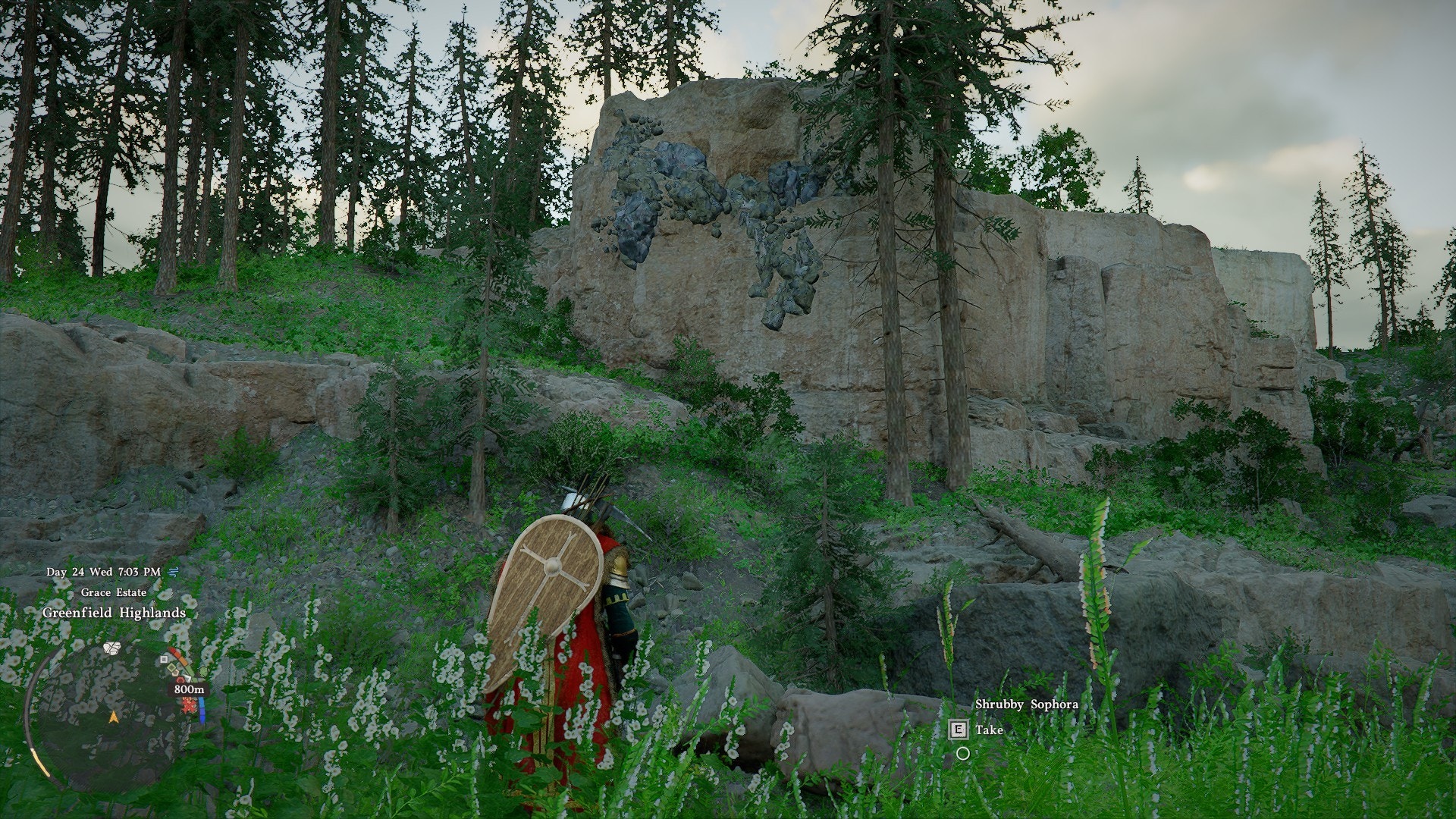
Just under the Research Institute, hanging from the cliff, there is a lot of it scattered around the whole cliff face. Shoot at them to knock them down
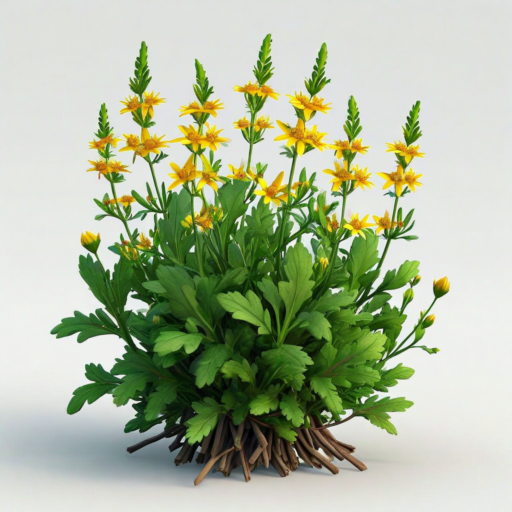
Yellow Rosemary is a gatherable material found in the world. Collect it to use as a crafting ingredient in recipes, alchemy, or equipment upgrades.
Scolecite Ore is a mineable ore node found across Crimson Desert. Strike it with a pickaxe to collect raw ore for smithing, upgrades, and crafting recipes.
Skyroot is a gatherable plant found in the wilds of Pyrein. Pick it by hand to collect ingredients for cooking, alchemy, and quest turn-ins.
Loose Stone is a mineral node scattered across the world. Break it with a pickaxe to collect crafting materials for gear and consumables.
A Traveler's Log is a gatherable material found in the world. Collect it to use as a crafting ingredient in recipes, alchemy, or equipment upgrades.
Abandoned Anchor is a gatherable material found in the world. Collect it to use as a crafting ingredient in recipes, alchemy, or equipment upgrades.
Abyss Cell: No. 0 is a gatherable material found in the world. Collect it to use as a crafting ingredient in recipes, alchemy, or equipment upgrades.
Abyss Cell: No. 1 is a gatherable material found in the world. Collect it to use as a crafting ingredient in recipes, alchemy, or equipment upgrades.
Abyss Cell: No. 2 is a gatherable material found in the world. Collect it to use as a crafting ingredient in recipes, alchemy, or equipment upgrades.
Abyssal Fusion is a gatherable material found in the world. Collect it to use as a crafting ingredient in recipes, alchemy, or equipment upgrades.
Abyssal Seed is a gatherable plant found in the wilds of Pyrein. Pick it by hand to collect ingredients for cooking, alchemy, and quest turn-ins.
Alustin's Letter is a mineable ore node found across Crimson Desert. Strike it with a pickaxe to collect raw ore for smithing, upgrades, and crafting recipes.
Ancient's Decorative Stone is a mineral node scattered across the world. Break it with a pickaxe to collect crafting materials for gear and consumables.
Apple Seed is a gatherable plant found in the wilds of Pyrein. Pick it by hand to collect ingredients for cooking, alchemy, and quest turn-ins.
Arms Scholar's Note is a gatherable material found in the world. Collect it to use as a crafting ingredient in recipes, alchemy, or equipment upgrades.
Birch Forest Grave is a mineable ore node found across Crimson Desert. Strike it with a pickaxe to collect raw ore for smithing, upgrades, and crafting recipes.
Blood-Soaked Gravestone is a mineral node scattered across the world. Break it with a pickaxe to collect crafting materials for gear and consumables.
Bloody Farmhouse is a gatherable material found in the world. Collect it to use as a crafting ingredient in recipes, alchemy, or equipment upgrades.
Blue Dragon Scale Decorative Stone is a mineral node scattered across the world. Break it with a pickaxe to collect crafting materials for gear and consumables.
Bones of the Bandits' Victims is a gatherable material found in the world. Collect it to use as a crafting ingredient in recipes, alchemy, or equipment upgrades.
Bounty on the Bloodied Monster is a gatherable material found in the world. Collect it to use as a crafting ingredient in recipes, alchemy, or equipment upgrades.
Brimstone is a mineral node scattered across the world. Break it with a pickaxe to collect crafting materials for gear and consumables.
Brimstone Bomb is a mineral node scattered across the world. Break it with a pickaxe to collect crafting materials for gear and consumables.
Cacao Seed is a gatherable plant found in the wilds of Pyrein. Pick it by hand to collect ingredients for cooking, alchemy, and quest turn-ins.
Camp Stone is a mineral node scattered across the world. Break it with a pickaxe to collect crafting materials for gear and consumables.
Chaya Seed is a gatherable plant found in the wilds of Pyrein. Pick it by hand to collect ingredients for cooking, alchemy, and quest turn-ins.
Coffee Cherry Seed is a gatherable plant found in the wilds of Pyrein. Pick it by hand to collect ingredients for cooking, alchemy, and quest turn-ins.
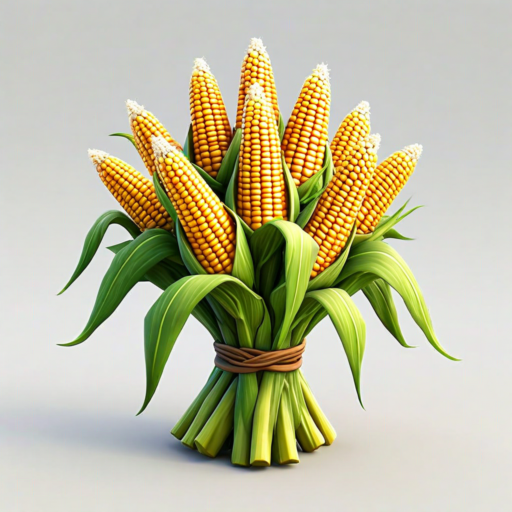
Corn Seed is a gatherable plant found in the wilds of Pyrein. Pick it by hand to collect ingredients for cooking, alchemy, and quest turn-ins.
Corpse of an Adventurer is a gatherable material found in the world. Collect it to use as a crafting ingredient in recipes, alchemy, or equipment upgrades.
Countess Azerian's Letter is a gatherable material found in the world. Collect it to use as a crafting ingredient in recipes, alchemy, or equipment upgrades.
Desolate Monolith Altar is a gatherable material found in the world. Collect it to use as a crafting ingredient in recipes, alchemy, or equipment upgrades.
Dimensional Fusion Experimental Power Core is a mineable ore node found across Crimson Desert. Strike it with a pickaxe to collect raw ore for smithing, upgrades, and crafting recipes.
Energizing Extravagant Meal is a gatherable material found in the world. Collect it to use as a crafting ingredient in recipes, alchemy, or equipment upgrades.
Enset Seed is a gatherable plant found in the wilds of Pyrein. Pick it by hand to collect ingredients for cooking, alchemy, and quest turn-ins.
Field Cloth Armor is a gatherable material found in the world. Collect it to use as a crafting ingredient in recipes, alchemy, or equipment upgrades.
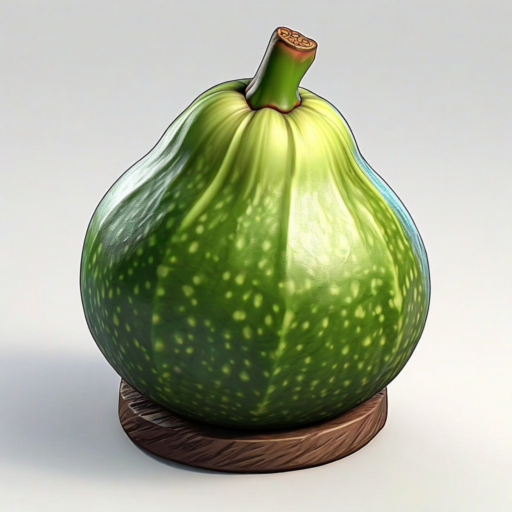
Fig Seed is a gatherable plant found in the wilds of Pyrein. Pick it by hand to collect ingredients for cooking, alchemy, and quest turn-ins.
Flawless Stone is a mineral node scattered across the world. Break it with a pickaxe to collect crafting materials for gear and consumables.
Forrex's Note is a gatherable material found in the world. Collect it to use as a crafting ingredient in recipes, alchemy, or equipment upgrades.
Forrex's Poster is a gatherable material found in the world. Collect it to use as a crafting ingredient in recipes, alchemy, or equipment upgrades.
Furniture Supply Contract - Beighen is a gatherable material found in the world. Collect it to use as a crafting ingredient in recipes, alchemy, or equipment upgrades.
Furniture Supply Contract - Hidden Grove is a gatherable material found in the world. Collect it to use as a crafting ingredient in recipes, alchemy, or equipment upgrades.
Furniture Supply Contract - Timberham is a gatherable material found in the world. Collect it to use as a crafting ingredient in recipes, alchemy, or equipment upgrades.
Furniture Supply Contract - Timberton is a gatherable material found in the world. Collect it to use as a crafting ingredient in recipes, alchemy, or equipment upgrades.
Giant Bone Pile is a gatherable material found in the world. Collect it to use as a crafting ingredient in recipes, alchemy, or equipment upgrades.
Glenbright Manor Key is a gatherable material found in the world. Collect it to use as a crafting ingredient in recipes, alchemy, or equipment upgrades.
Grape Seed is a gatherable plant found in the wilds of Pyrein. Pick it by hand to collect ingredients for cooking, alchemy, and quest turn-ins.
Harpy Feather is a gatherable material found in the world. Collect it to use as a crafting ingredient in recipes, alchemy, or equipment upgrades.
Herbert's Poster is a gatherable plant found in the wilds of Pyrein. Pick it by hand to collect ingredients for cooking, alchemy, and quest turn-ins.
High-Purity Gunpowder is a gatherable material found in the world. Collect it to use as a crafting ingredient in recipes, alchemy, or equipment upgrades.
Rats, small yet clever creatures, dig burrows and rest inside them during the day, venturing out at night to forage. Unlike hamsters, they neatly store food like grains and plant roots in their tunnels, displaying remarkable organization.
Muskrats, similar in appearance to rats, live mostly in water. They build lodges with underwater entrances to evade predators. However, their curiosity often leads them into traps, making them an easy prey to catch for both predators and hunters. Despite having a safe hideout, this inquisitive nature frequently results in capture.
Nature has endowed opossums with exceptional acting skills. They can convincingly play dead, to the point where not even a smart predator will maintain interest upon seeing what appears to be a lifeless carcass. While pretending to be dead, they foam at the mouth and emit an unpleasant odor.
Chipmunks, commonly seen in forests, have some remarkable climbing and jumping skills. They mainly consume nuts, seeds, fruits, and occasionally insects. They bury nuts and seeds to retrieve later, but they sometimes forget to bring those back and inadvertently aid forest regeneration.
These chipmunks are known for their ability to hibernate for long periods, enduring extreme cold by lowering their body temperature to just above freezing. They primarily feed on seeds, berries, and small plants, storing food in their burrows.
Red squirrels are small, tree-dwelling rodents known for their vibrant reddish-brown fur and bushy tail. They are mostly active during the day and are known for their agility and speed as they navigate treetops. Unknown to many, they can also swim using their tails as a float to help steer through water.
A rodent that glides between trees using the membrane stretched between its front and back legs. It has large eyes and a body covered with soft fur, and is active at night, moving dexterously between tree branches. It mainly eats nuts, fruit, and leaves, and lives in a nest located high up. While gliding, it freely changes direction to avoid predators or find food.
Moles are small, burrowing mammals with specialized digging adaptations, such as large, paddle-like forelimbs and powerful claws. Moles have poor eyesight but rely on a keen sense of touch and smell to navigate and find prey. Their tunneling aerates soil and controls insect populations, making them key ecosystem engineers.
A social mammal with a small, slender body and a long tail, it lives in groups in deserts and grasslands. It has a habit of standing on its hind legs to keep watch on its surroundings, and cooperates with others to find food and watch for predators. It mainly eats insects, small reptiles, and plant roots, and lives in burrows.
Hedgehogs are nocturnal creatures with a voracious appetite, capable of eating a third of their body weight in one night. While omnivorous, they mainly consume insects and larvae. According to a legend, some hedgehogs in a town carry a golden apple on their back.
A salamander that makes a burrow in the ground or between rocks, with moist skin and a long, soft body. It prefers humid and shaded environments and mainly eats insects or small invertebrates. During the breeding season, it comes to the water's edge to lay eggs, and for the rest of the time, it lives sneaking in the burrow.
Salamanders have slender long-tailed bodies, moist skin and have a unique ability to regenerate lost limbs and other body parts. They are primarily found inhabiting a range of environments from forests and grasslands to rivers and ponds. Some breathe through their skin, requiring them to remain in moist environments.
An amphibian nicknamed the "walking fish," known to inhabit lakes. It possesses the remarkable ability to regenerate any part of its body. That includes limbs, spinal cord, heart, and even portions of its brain.
Goannas have long necks, powerful tails, and sharp claws and they are highly adaptable. They are carnivorous, feeding on a diet that includes insects, small mammals, birds, and carrion. Goannas are known for their keen sense of smell, which they use to track down prey. They are also capable climbers and swimmers.
Iguanas are known for their long tails and vivid colors. Primarily herbivorous, they eat leaves, flowers, and fruits. Excellent climbers, iguanas use strong limbs and sharp claws to navigate trees and rocks. Their tails can detach and regrow if lost to predators and can detect movement and predators from afar.
The heloderma lizard is a large, venomous lizard with black and orange bead-like scales. These lizards are primarily terrestrial and are found in arid desert regions, where they spend most of the time in burrows to avoid the heat. Their venom, delivered through grooves in their teeth, is used primarily for defense rather than hunting.
A reptile that can open a large fan-shaped frill around its neck. When it feels a threat, it opens its frill and mouth to surprise the opponent. It has a long, slender body and strong legs, and can move fast both on trees and on the ground. It eats insects and small animals and lives in dry regions or forest edges.
A striking blue bird known for its unique habit of hiding acorns to eat later. It can bury up to 5,000 acorns in a year, relying on its keen spatial memory to recover these hidden treasures.
Unlike many other birds, sparrows often wake up at dawn or even earlier. The early morning songs of male sparrows are not just to claim territory, but also to inform other sparrows about the availability of food sources. They are some of the first birds to begin their activities at the start of each day.
Orioles have a sweet tooth and are particularly attracted to nectar, especially from flowering trees like honeysuckle or red maple. To obtain nectar, they use their specialized beaks, which are long and slender, perfectly designed for sipping from flowers. They also enjoy fruit like oranges, making them a common visitor to bird feeders with fruit offerings.
Plovers have an unusual method of feeding. They "foot-tremble" to stir up the sand or mud, causing small invertebrates to move. Once the prey is in motion, the plover quickly snatches it up with its sharp beak. This technique is highly effective in shallow coastal waters and mudflats.
Meadow buntings are known for their distinctive, melodious songs. Their songs are used primarily by males to establish territory and attract mates. Interestingly, they can vary the complexity of their songs based on their age and experience, with older males often having more intricate calls.
Desert wheatears are highly adapted to extreme heat. They minimize movement and conserve energy during the hottest hours of the day, trapping as much moisture as possible. Thanks to these adaptations, they can survive in temperatures where even breathing is difficult, allowing them to thrive in arid regions without trouble.
In addition to eating ticks, yellow-billed oxpeckers have been observed scavenging wounds on large mammals. They have sharp, specialized beaks that allow them to dig into cuts and feed on exposed tissue, which provides a steady source of nutrition, though it creates a clearly parasitic relationship.
Three-toed woodpeckers are one of the first species to return to areas affected by forest fires. The charred trees they prefer are rich in insects like bark beetles, which thrive in the burned wood, making it a perfect food source for these resilient birds.
The white-winged redstart has a unique ability to detect ultraviolet light, a feature not common in most birds. This UV sensitivity is believed to help them identify subtle markings on flowers or other birds, aiding in foraging and selecting mates based on their plumage quality.
Long-Tailed Tit.
A spider with a striking appearance of vivid yellow and black patterns, which creates large spider webs to hunt. Its noticeable colors, like those of a ladybug, serve as a warning to predators. The spider web is complex and sturdy, quickly wrapping prey and injecting venom before eating it slowly. It can often be seen in sunlit grass or gardens.
A moth with soft wings that are white or gray in color. During its pupal stage, it spins a cocoon that serves as the raw material for silk thread. Its larva feeds exclusively on mulberry leaves and has been domesticated by humans for centuries.
A large moth that lives in the mountains, it is bigger than a silkworm moth and often has distinct patterns or eye-shaped spots on its wings. The caterpillar feeds on the leaves of various trees, spins a cocoon, pupates, and eventually emerges as an adult moth.
A butterfly with the base of its wings a bright, soft golden yellow, marked with bold black patterns running across them. Long, slender tail-like protrusions extend down from the tips of the hindwings.
A butterfly with wings that are overall dark-toned black with yellow band-like markings. It lacks the characteristic tail extensions unlike other swallowtails.
As the name suggests, the wings feature alternating white and black stripes. The white areas are tinged with a silvery hue rather than pure white, sparkling in sunlight.
A butterfly with long and slender wings that have ivory or pale yellow stripes on a black background. Its forewings are narrow and pointed, while the hindwings are rounded and narrow.
A butterfly with the upper side of its wings that has a dark brown background with a distinct wide green to yellow-green band running across the center of the wings. The hindwings have two long, sharp tail projections, and there are small orange spots at the lower tips.
A butterfly with the upper side of the male's wings that has a dark brown background with a strong metallic purple that shines depending on the angle. The female has almost no purple sheen and distinct brown and white patterns. The forewings have a thick white horizontal stripe, and there are white spots at the tips of the wings. The outer edge of the hindwings has orange eye-shaped patterns.
Bright yellow wings are bordered by dark grayish brown or black bands. Small spots mark the center of the forewings, and subtle mottlings appear on the underside of the hindwings.
A butterfly with the upper side of the wing of a deep olive-brown base and large, vivid light green to jade spots arranged in a regular pattern. The underside of the wing has the same pattern as the upper side, but the light green parts appear pale yellow-green to yellow, and the brown turns reddish-brown, resembling dried leaves.
A butterfly with the upper side of the wings of a black background and a broad blue stripe running across both the forewings and hindwings. The blue deepens toward the base of the wings. White spots are scattered on the edges and tips of the forewings, contrasting with the inner side.
A butterfly with the upper side of the male's wings metallic sky blue with a celadon blue background, with a thin black border along the edges of the wings. The female has a brownish orange background with scattered black spots.
A butterfly with its upper side of the wings vivid blue with a thin black border along the edge. The female has a brownish background, and the base of the wings may be slightly blue. On the hindwings, there are orange spots and black spots.
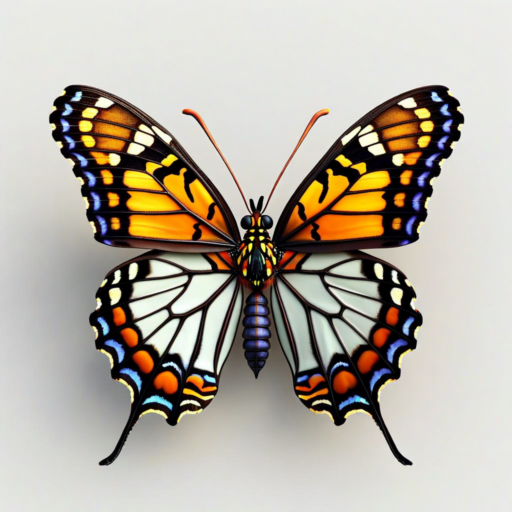
A butterfly with its upper side of the wings that shows a clear contrast between orange and black, with patterns arranged like a checkerboard. In the center, several orange spots are lined up, and the edge has a black band.
A butterfly with its upper side of the wings that has evenly spread black spots on an orange background. Along the spots and veins of the wings, there are thin silvery metallic lines that sparkle when sunlight hits them.
A butterfly with the upper side of the wings a deep blue and black, and especially, there is a white border along the edge of the wings. Also, there are two red spots on the top. The shape of the wings is close to a triangle, and as the name suggests, it flies very fast and nimbly.
A butterfly with dark, bluish-black wings that exhibit a strong metallic sheen of purple or violet, shifting dramatically in sunlight. Depending on the angle, the colors change between purple, magenta, and teal, creating a spectacular sight to see.
A butterfly with a deep black base color, the wings gleam with a teal or navy sheen in sunlight. Broad blue or teal patches spread across the hindwings.
A butterfly with wings that are predominantly dark black. The forewings display a subtle bluish metallic sheen depending on the angle of light, while the upper hindwings are covered in broad navy or teal iridescence, shining brilliantly in sunlight.
An insect with small, delicate wings and can emit light from a luminous organ at the end of its body. The light is used for mating signals or communication, and its flickering glow in the dark night sky is truly captivating. It is most active in damp grass, along riverbanks, and at the edges of forests. As a larva, it preys on small insects and snails.
A social insect covered in fine hairs with transparent wings. It gathers nectar and pollen from flowers and carries them homeward to the beehive, producing honey and beeswax. Living in colonies with divided roles, it plays a crucial part as a pollinator for plants. When threatened, it attacks with its stinger, sacrificing its own life in the process.
An insect with a sleek, streamlined body, powerful jaws, and a potent sting. Highly carnivorous, it hunts and feeds on other insects and bees. It lives in colonies, builds nests, and fiercely defends its territory. Its sting can be used multiple times, making it capable of inflicting serious harm when threatened.
A bee with a round, fluffy body and distinctive black and yellow stripes. It's larger than a honeybee but has a relatively gentle nature. It gathers nectar and pollen from flowers, aiding in pollination. It flies by quickly and steadily flapping its wings, and despite its heavy build, it's capable of long-distance flight.
A butterfly with its entire wing of a dark blackish-brown base and a broad emerald green band running across the forewing and hindwing. The green band changes to turquoise or celadon depending on the angle of light, giving a metallic sheen like a peacock feather. It has a short, tail-like projection at its tip.
A butterfly with the upper side of its wings that has a black background, and light green patterns in the forewings that extend long along the border from the wing base. The hindwings have a light green background with small black dots arranged along the outer part. In females, the base color of the wings is dark brown, and cream or light yellow patterns appear instead of green.
A small beetle that has a shell closely mimicking the unique patterns and shape of the Palmar leaf. Its body is about the size of a fingernail, and when it hides among clusters of Palmar leaves, it's nearly impossible to spot. The beetle's mimicry serves as camouflage to evade predators, and when threatened, it quietly freezes, blending in perfectly with the leaves.
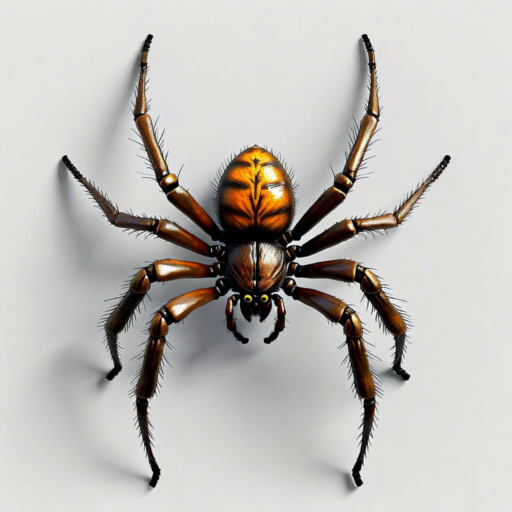
An arthropod with a slender body and several pairs of long, extended legs. It mainly inhabits damp, shaded areas and quickly hunts down and eats small insects or pests. Highly agile and fast, it can move swiftly and overcome obstacles in an instant. It subdues its prey with venomous jaws, but its venom is relatively mild and poses little threat.
It has a vivid and deep purple metallic luster, with a black band along the edges of the forewings and hindwings. Near the tail, there are small patterns mixed with orange spots and a bluish hue.
A butterfly with the upper side of its wings characterized by a vivid coppery orange with a strong metallic sheen, with the edges of the wings surrounded by a thin black border. When exposed to light, the wings sparkle and are very noticeable.
An butterfly with broad, ornate wings, with tiny scales on the surface. It features a slender, elongated body and thin antennae, and mainly feeds on nectar from flowers. Active during the day, it flies gracefully and can be found in a range of places, including mountains, fields, and gardens.
A butterfly with white wings that are patterned in a checkerboard of gray or dark brown. Males have fewer markings and more clean white space compared to females.
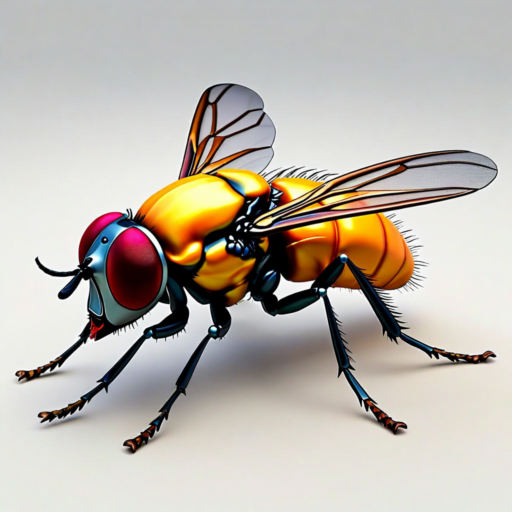
A type of fly slightly larger than a common fruit fly, known for its agility and fast flight. It is attracted to locations where there is organic substances such as decaying fruit, food waste, and animal carcasses. Most active during the warmer seasons, it breeds rapidly and can form large swarms in a short period of time.
A butterfly with its upper side of the wings characterized by a dark brown background with several irregular white spots spread out. The edge has a thin, light-colored border.
A butterfly with the upper side of the wings of a light grayish brown color with two distinct round eye-shaped spots on both the forewings and hindwings. The underside of the wings is lighter in color than the upper side, with two thin brown stripes crossing the wings, and the eye patterns appear more clearly.
A butterfly with wings that are white-based with black patterns lining the edges and tips. A wide black band spreads across the upper forewings. The white areas shimmer with a silvery glow in sunlight.
Although similar in shape to butterflies, they are generally active at night and have a hairier body. Their wings are usually brown or gray, serving as camouflage. They are easily attracted to light and often gather around lamps. During the larval stage, they feed on leaves and farming crops, sometimes causing damage.
A butterfly with wings of an ivory white background and distinct patterns from brown to yellow-brown in the center of the forewings and hindwings. There are small and clear eye-shaped circular spots, and the outer edge of the wings is surrounded by a wavy dark brown band.
A butterfly with the upper side of its wings a scarlet background, scattered with black spots, with the tips of the forewings tinged black and lined with white spots inside. Its hindwings are orange with a hint of brown, and small black dots are arranged along the edges.
A butterfly with the upper side of its wings that has a black background with vivid blue to green patterns appearing outward. The underside of the wings shows contrasting red, black, and white patterns on the forewings, and the center of the hindwings has a unique pattern with two black lines looping to resemble the number "88."
A butterfly with wings of a white background. Males have a wide orange spot spread at the tip of the upper forewing. The orange may be faint or absent on females, and instead, gray-brown patterns appear on their wing tips.
A butterfly with the upper side of its forewings a vivid orange with a black band along the edges and several black spots arranged in the center. The upper side of its hindwings is dark brown with a reddish band around the outer edge. The underside of the hindwings has small black dots scattered across it.
A butterfly with wings that has a black background and white spots evenly arranged on the forewings. In the center of the upper side of the hindwings, a wide and vivid crimson band runs horizontally.
A butterfly with the upper side of the wings of a black background with a strong bluish green to turquoise metallic sheen, and small white spots that rarely appear on its edges. A blue band runs evenly along the outer edge of the hindwings. The underside of the wings has a background mixed with brown and orange, with rows of round reddish orange spots.
The dorsal side of its wings are deep orange, with evenly scattered black spots on the forewings, and the top of the hindwings is black, marked by two rows of large white spots. The ventral side mirrors the same pattern as the top.
An orange butterfly with its upper side of the wings with black spots and irregularly dented edges. In the center of the underside of the hindwings, there is a small silvery-white comma-shaped pattern.
A butterfly with the upper side of its wing that has a dark brown base, with the tip of the forewing tinged with reddish-brown, which is its most distinctive feature. In the center of the forewing, there is a thick white band running horizontally, which continues to the hindwing, crossing the entire wing.
A butterfly with vivid orange wings that are edged with dark brown or black borders. The underside of the hindwings bears patterns resembling sleepy eyes, inspiring its name.
A butterfly with the upper side of the wings of a vivid orange background with several black vertical stripes running along the forewings and hindwings. Its hindwings have long, pointed dagger-shaped tail bumps, and the edges are surrounded by a black border. The underside of the wings looks like a dry leaf.
A dark brown butterfly with a distinct orange band that runs across the center of the wings. The edges of the wings are black with tiny blue spots lined up.
A butterfly with wings that have a vivid orange background, and thick black stripes stretch across the forewings, reminiscent of a butterfly. The tips of its forewings are tinged with black, with rows of white spots above them.
A butterfly with the dorsal side of its wings features distinct black patterns stretching across an orange base, with the outer edges bordered by black bands containing a row of white spots. The hindwings feature an additional horizontal black stripe.
A butterfly with the upper side of the wings of a bright orange background with distinct black veins extending and edges surrounded by a black band with evenly arranged white spots on the inner side.
An arthropod with a flat, broad body, long antennae, and sturdy legs. Thanks to its high adaptability, it survives in a variety of environments, but especially prefers damp, dark places, where it quickly hides in even the smallest, invisible gaps. Its strong survival instincts allow it to live for a short time even after its head is severed, and it has thrived for ages in countless regions.
A small, slender insect of the cockroach family, with a light brown to yellow-brown body. It mainly lives under fallen leaves, stones, or in moist soil, feeding on decaying plant matter and helping with nature's cycle. While it isn't threatening by nature, its resemblance to cockroaches often makes people uncomfortable.
A crustacean with a hard exoskeleton and short legs, it is discovered between rocks and sand on the beach or tidal flats. It can curl its body into a ball to avoid external shocks and mainly eats seaweed or decaying organic matter. It moves quickly to avoid waves and sunlight and serves as a cleaner in the beach ecosystem.
A beetle known for its metallic, shimmering body. Its colors—green, blue, gold, and more—shift depending on the angle of the light. Thanks to its striking appearance, it is popular as an ornament or collectible. The larvae grow inside wood.
A spider with distinct yellow and black stripes on its body and legs, reminiscent of a tiger. It makes a large circular net to capture flying insects, and its strong spider web does not break easily, even in the wind. The venom is effective in paralyzing insects but is not a significant danger to humans. It is especially active in summer and autumn.
This insect protects its body with tough outer wings. It comes in a wide range of sizes, colors, and shapes, and can be found all over the world. Depending on the species, its diet may be carnivorous, herbivorous, or based on decaying matter. Certain species can even become pests to crops. Thanks to its strong, durable exoskeleton, it is highly resistant to external impacts and thrives in diverse environments, including on the ground, among plants, and in decomposing material.
This beetle has long, well-developed mandibles at the front of its head that resemble a deer's antlers. The large jaws are used by males to compete for strength or to attract mates. It feeds on sap from trees, is strong, and can spread its wings to fly.
Wielding their distinctive pincers and tail tipped with a venomous stinger, scorpions are a common sight in the desert. Interestingly, instead of laying eggs, they give birth to their offspring, which are then carried on the mother's back until they are ready to fend for themselves.
An arthropod composed of eight legs and two body segments, without wings, uses spider web for hunting and life. The spider web is very sticky and tough, allowing prey to be captured effectively, and some species use venom to paralyze their prey. They inhabit various environments such as forests, grasslands, and around houses, and are classified as net spiders or long-jawed spiders depending on their hunting method.
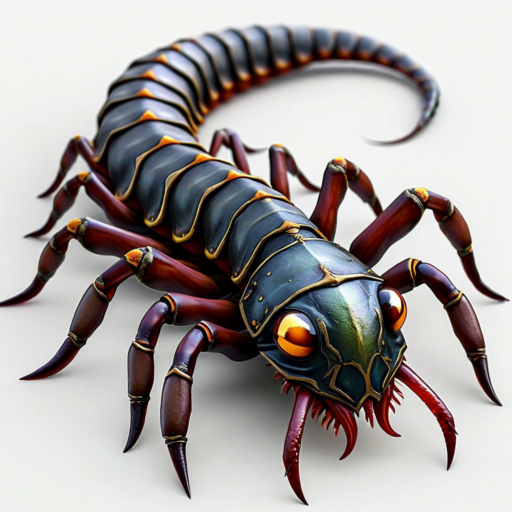
A large centipede with a long, slender body that has a black sheen, it quickly subdues prey using strong jaws and venom. Its body is divided into several segments, each with a pair of legs, allowing it to move very dexterously. It mainly hides in dark crevices or among fallen leaves, waiting for an opportunity to hunt, and becomes highly aggressive when it receives a threat.
A small, vividly colored reptile, that gives off a stark warning to predators about their toxicity wherever they go. Despite their small size, these frogs pack a potent punch, with some species carrying enough toxin to deter or even kill predators.
Often found clinging to a tree, these frogs are equipped with specialized adaptations such as sticky toe pads that enable them to climb and adhere to smooth surfaces with ease. Their vibrant color often serves as a camouflage, helping them blend into their leafy surroundings to evade predators.
Unlike frogs, these amphibians are adapted to terrestrial life, frequently found in fields, forests, and gardens rather than in water. They possess the ability to sluggishly leap or inflate their bodies to secrete toxins from their skin, which they use to ward off predators.
An amphibian that spends most of its time underground. True to its name, it digs burrows and lives within them, a feat made possible by its shovel-like, powerful hind legs and its solid, sturdy body. It emerges only to seek food or to breed at night or when it rains.
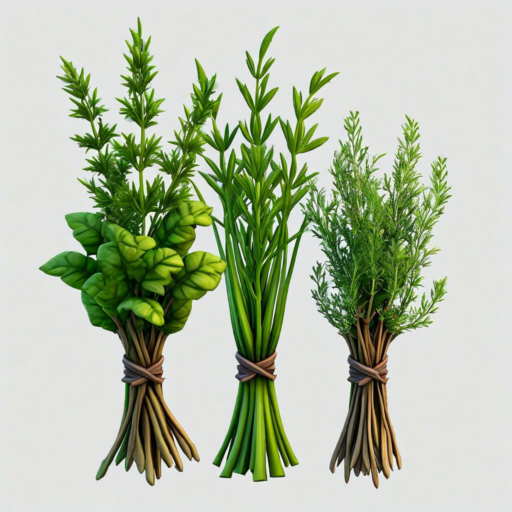
Features vibrant green leaves and a signature mint scent, it is beloved for its cooling aroma, this versatile herb is commonly found throughout Hernand and Demeniss.
One of the signature plants among herbs, its yellow buds glow with warm, radiant energy, and their soft fragrance never fails to draw a smile. Most commonly found in Pailune and Delesyia.
A herb of the mint family, known for its white petals, thin, sharp leaves, and a distinctive scent. It was used as a seasoning, and was even burned it to fend off contagious diseases. Commonly found in Delesyia.
A herb of the mint family, known for its thin, sharp pink petals and a distinctive scent, and the oil extracted from it is said to help ease gastritis and headaches. Commonly found in Hernand.
Features edible stems that release a citrus-like aroma and add savory depth to soups. This collective term for Begonia genus plants is prized for its healing properties and is commonly found in Pailune or along its borders.
A vine-like perennial that sprawls over mountainsides and open fields. It grows on bright, sunny grounds, and its roots are both delicious and healthy, making it a staple in dishes. Often found in Delesyia.
Smooth, sturdy, and elegantly curved, it is prized as an artisan's material used for crafts and decorations. Can be obtained from a gazelle or deer.
Its white, bell-shaped flowers are fragrant but laced with toxicity, so only a small amount is used for medicinal purposes. Found in Pailune, as it thrives in cold climates.
It's usually purple and symbolizes love and friendship, making it a flower often chosen to carry one's heartfelt message. Found in extremely small amounts at Drywind Valley of Delesyia.
Inflicts poison, but awakens Health past its maximum limit and grants faster attacks. Beautiful in appearance, but it can cause poisoning if ingested or touched, so caution is required. Grows naturally in the border between Crimson Desert and the southern area of Pywel.
A deadly poison that can be applied to weapons and arrows. It rapidly worsens enemy wounds to inflict fatal injuries. Can be acquired at Arboria Castle.
A highly acidic liquid that corrodes anything it touches. It quickly melts the surface of whatever it comes into contact with, reducing combat effectiveness, and is usually obtained by defeating an acid spider. Handle with caution.
A strange fruit visible only to hedgehogs. The Golden Apple Tree can't be seen with human eyes, so if you want to get a Golden Apple, you'll need to watch the ground as you move around, not the trees. If you see a glimmering light atop its back, do not lose sight of it and follow wherever it leads.
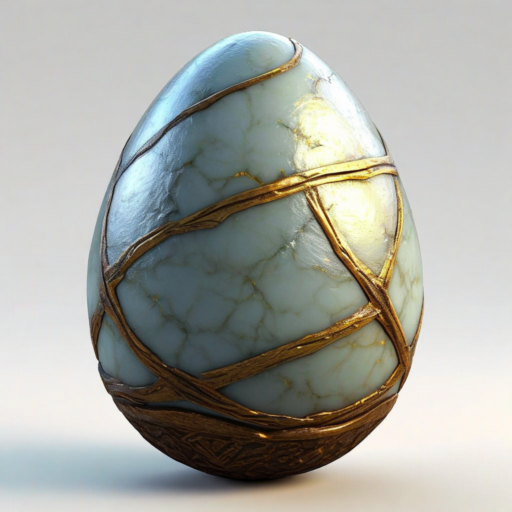
An egg rarely found from the pack of a golden goose. This egg boasts a flawless surface that radiates a soft, gilded shimmer, making it a prized commodity among merchants. Given its elusive nature, stumbling upon one is nothing short of a miracle.
A supreme kind of holy water said to be directly imbued with the power of Solumen. Legend has it that consuming it allows for the latent holy power within the body to manifest in the face of peril, restoring the wounded flesh to its pristine state.
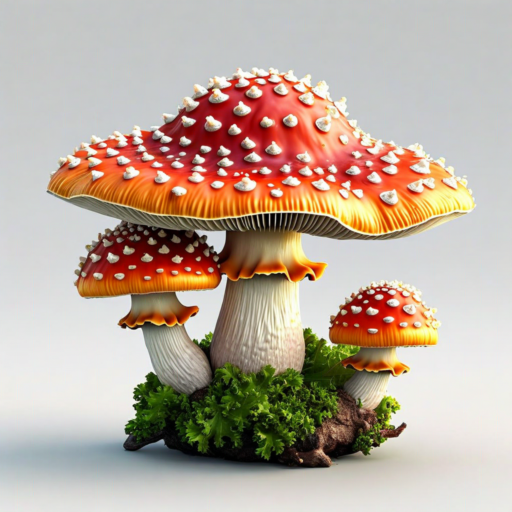
Its pure-white cap looks pristine, but it carries a lethal toxicity, earning it the nickname "Angel of Death." Grows naturally in cool areas of Pailune but cannot survive in extreme cold.
A vivid red mushroom that forks like a deer's antlers. Beautiful to look at, but potent enough to cause severe poisoning even in tiny doses. Rarely found across the continent of Pywel and most commonly found in the southern areas of Delesyia.
A soft, highly elastic material. It effectively blocks water and lightning. It has a slightly unusual smell, and prolonged exposure to intense sunlight or fire gradually makes it softer and weaker. Can be primarily found in the hot and humid rainforests bordering the Crimson Desert.
A rare ore that gleams with a silvery light that doesn't oxidize. With outstanding durability and magical conductivity, it's highly valued as a material for advanced alchemical catalysts or endurance enhancers. Can only be crafted by a witch.
Timber obtained from the finest species, shaped by time and the environment. Its grain, strength, and density are all exceptional, so only skilled artisans can process it. The finished product is passed down through generations. Can only be obtained from logging with a well made axe.
Rare material obtained from large beasts. It casts a soft, beautiful glow and is easy to work with, so it was used for ornaments, ceremonial pieces, and musical instruments, eventually becoming a symbol of power and authority. Can be obtained from carcasses of animals with large tusks or horns such as rhinoceros or elephants.
A long clam that lives hidden deep in the mudflat. When salt is sprinkled, it sticks its head out as if unable to resist the temptation and gets caught. With excellent savory flavor, it becomes the best seafood ingredient when cooking.
A snack made from premium ingredients. It melts smoothly, leaving a lingering sweetness and nuttiness, and just one piece can lift your mood. Can be made from mixing cacao and milk.
A shrub that features broad and deeply split dark green leaves. Provides rich nutrients but requires boiling or cooking due to its toxicity. Grows naturally at the border between the Crimson Desert and southern regions of Pywel.
A fruit of a plant with broad leaves which looks like a banana. It has a bitter taste with a slight sweetness, so eating it raw is not recommended. It requires proper preparation and cooking. It's found growing in the border of the Crimson Desert and Delesyia.
Features reddish and golden grains with a nutty and subtle sweetness. Earned the name "grain bestowed by the gods." Can be found easily in the Crimson Desert, thanks to its resistance to heat.
A red fruit come from the thorny nodes of a cactus. Cactus stems and fruits are used as medicinal herbs, and they flourish in arid lands. This fruit grows naturally in parts of the Crimson Desert.
Features a savory, firm bulb that remains tender whether boiled, steamed, or grilled. It's often stored as relief crop. Grows naturally at the border between Delesyia and the Crimson Desert.
Filled with honey and soft beeswax, this hexagonal honeycomb is intensely sweet when chewed. A favorite among hunters and gatherers, it can be gathered from a bee box at an apiary.
Provides a unique flavor by blending sweetness with a touch of faint bitterness. Infused with the scent of the forest into its golden essence, it remains a rare possession prized by beekeepers.
A small, glossy brown fruit with a hard shell that hides a rich, nutty flavor inside. It's sometimes ground into powder for use in cooking. It isn't cultivated and is often found on the ground in forests, fields, and near villages.
A small fish that swims lightly in calm water and slow currents. When it receives sunlight, its silver color sparkles, and it moves in schools along the surface of the water.
A fish with gleaming silver scales, said to adapt flexibly whether the water is still or flowing.
A horizontal black line is drawn along eye level, and using it as a reference the scales above are brass colored while those below are silver-hued.
A fish that darts about in the water with an agile, arrowhead-like shape and size.
A fish with a round head and slightly flattened sides. The dark brown stripe along its flank is said to fade with age.
A small fish with a tawny hue and short brown lines running along the central part of its body from head to tail. Sensitive to changes in the water's current, it quickly flees when a predator draws near.
A fish with a smooth, elongated body. If you do not grasp it carefully, it slips through your fingers. With overflowing vitality, it burrows into the mud.
An odd, pancake-flat fish with eyes huddled on its left side, pressed against the coastal seabed.
A fish with a sleek body and striking dorsal stripes, rumored to be at its tastiest in the autumn, just after spawning.
A fish with seriously tough bones. One should be cautious when enjoying it cooked.
A fish that clings to the bottoms of rivers and lakes while pursuing prey. Its carefree existence even in impure water is likely due to having strong health, or being numb.
A fish with a gracefully arched neck and a sail-like dorsal fin. It spawns clusters of eggs that resemble long threads.
A fierce hunter with powerful jaws and sweeping fins. It lurks among the water's plants, poised to instantly snatch its prey.
A fish with distinct golden scales and bold black stripes that swims effortlessly through the rippling waters of rivers and lakes. But when it spots prey, it quickly darts forward.
A fish with dark spots scattered across it like a leopard's hide. It even resembles the leopard's habit of ambushing and devouring prey.
A fish that lacks conspicuous splendor. Its tenacious survival, unconstrained by water quality, and its steadfast hold on its own space are truly beautiful.
A fish, driven by its fierce instincts, it will prey on its own kind to grow bigger when it's starving. With needle-sharp teeth, they show no mercy to anyone.
The fish's signature long beard is remarkably sensitive, picking up even the faintest movements and detecting subtle vibrations hidden deep beneath the muddy bottom.
A hefty fish with a stubby beard, it gobbles up anything from grass to little fish and sports a pleasantly plump figure.
A fish with tiny spots scattered along its midsection, known to blush a vivid red when spawning season comes.
A fish with a wide, ravenous mouth. Tiny teeth crowd both its upper and lower jaws.
A fish known for finding its way back to the river of its birth. Clearly, home holds a special significance, even for creatures of the wild.
A fish with vivid colors glowing beneath its neck, blossoming as it finds its way back home. Maybe fish, too, dream of returning to their roots in all their splendor.
A fish that glides gracefully in icy waters, with its shimmering silver scales.
A long, flexible, and snake-like fish that expertly weaves its way into the tightest cracks between the rocks.
A round-bodied fish with a stubby snout and eyes that shimmer like opals.
A silvery gray fish, its scales brushed with hints of red, that stares up with wide, questioning eyes as if to say if it'll be eaten.
A fish renowned for its delicious flavor and the thrill of the catch. But handle it carelessly, and the spines along its back can tear into your skin.
A fish marked by bold black-and-white stripes. It offers a unique texture, firm, yet decadently rich in oil.
A fish with a beak like pointed snout and silver-gray scales along its belly. As it matures, its stripes fade away, replaced by a subtle blush of red shimmering across its scales.
A fish that develops scales as tough as armor, rumored to grow to an impressive size over time.
A soft and flexible fish, and with the strength of its impressive size, it can seem quite threatening.
A fish distinguished by eyes that glimmer with an uncanny, jewel-like brilliance and a body cloaked in reddish scales.
A mysterious fish that lurks in the depths, casting a mesmerizing glow from the tip of the tentacle on its forehead. But get too close, and it unveils a haunting, ghostly visage.
A hulking fish with its red tinged scales lending an extra edge of menace to its imposing size.
A fish that darts through the water, slashing foes with its razor-sharp upper jaw, which truly makes it a knight of the sea.
A fish known to harbor lightning within its long, streamlined body used for hunting, contrary to its comically clueless expression.
A fish with a long, spatula-shaped snout.
A fish with a slender, sleek body, and intriguingly, seven gills.
A fish that swims through the sea with a banner pike-like, colorful dorsal fin, and a blade-like upper jaw that slices through the prey.
A round-bodied fish with its scales shimmering with a hint of gold.
Not everything that sparkles is gold, but there's no denying the beauty of the stunning colors this fish displays.
A coelacanth shimmering with a golden hue, this rare and beautiful fish draws special attention.
A fish tough as armor with its scales the shade of stone, looking every bit like a living fossil.
A machine lifeform clad in metallic scales, gliding with uncanny grace. Its origins and purpose are unknown, but its strange allure draws the curiosity of many.
A mollusk that lives buried in the bottom of rivers or lakes. Inside its hard shell, it sifts water to obtain food, and when threatened, snaps shut tight to keep itself safe.
Clad in shell-like armor and wielding sharp pincers, it looks just like a freesword ready for battle. Be it beast or man, there's always something worth fighting for.
A small crustacean that crawls along the bottom of clear streams and ponds. With its hard shell and sharp pincers, it moves quickly between currents. When it senses danger, it hides in rock crevices.
A warrior-like creature clad in a tough exoskeleton. At the first sign of danger, it flares its pincers wide, ready for combat.
A creature with a soft, long body that releases a cloud of ink when danger strikes, to protect itself in times of crisis. Some might call it the art of knowing when to walk away.
Five arms stretch out like a star, coming to life in the water as it crawls across the ocean floor.
A creature with a horse like head that surveys its surroundings, curling its curved tail around coral to anchor itself against the current.
A tiny crustacean that scurries between sand and rocks beneath the waves. With its tough shell and long antennae, it's always on alert. At the slightest hint of presence while searching for prey, it quickly darts away and hides.
An unknown meal which ingredients and cooking method are impossible to guess. It may not be safe to eat, but it seems edible.
An unknown liquid which ingredients and cooking method are impossible to guess. It may not be safe to drink, but it seems drinkable.
A golden, sun-drenched ale. They say a single sip kindles bravery in the faint of heart. To a weary freesword, it is like an old friend that helps them get through the long night.
An egg imbued with the life of a kuku bird. Beyond the hard shell, you can feel the warmth of a faint, pulsing life. If kept safe in a warm nest for a long time, it feels as though it will soon break through the shell and hatch.
An official document granting the right to register and own a personal strongbox within the bank. Required to access financial services such as the purchase, sale, and investment of gold bars.
An outfit supply contract made with Tina, the tailor of Hernand. The agreement permits the purchase of Hernandian apparel from Diederik, the tailor of the Greymane Camp.
An outfit supply contract made with Adrina, the tailor of Calphade. The agreement permits the purchase of Calphadean apparel from Diederik, the tailor of the Greymane Camp.
An outfit supply contract made with Olanelle, the tailor of Demeniss. The agreement permits the purchase of Demenissian apparel from Diederik, the tailor of the Greymane Camp.
An outfit supply contract made with Elise, the tailor of Tariv. The agreement permits the purchase of Tarivian apparel from Diederik, the tailor of the Greymane Camp.
An outfit supply contract made with Marielle, the tailor of the Demeniss Wildlife Park. The agreement permits the purchase of Demeniss Animal Park apparel from Diederik, the tailor of the Greymane Camp.
An outfit supply contract made with Martina, the tailor of Delesyia. The agreement permits the purchase of Delesyian apparel from Diederik, the tailor of the Greymane Camp.
An outfit supply contract made with Lola, the tailor of Pailune. The agreement permits the purchase of Pailunese apparel from Diederik, the tailor of the Greymane Camp.
An outfit supply contract made with Bea, the tailor of Tommaso. The agreement permits the purchase of Tommasoan apparel from Diederik, the tailor of the Greymane Camp.
An outfit supply contract made with Nora, the tailor of Varnia. The agreement permits the purchase of Varnian apparel from Diederik, the tailor of the Greymane Camp.
An equipment supply contract made with Rhett, the equipment vendor of Hernand. The agreement permits the purchase of Hernandian equipment from Tranan, the equipment vendor of the Greymane Camp.
An equipment supply contract made with Nork, the equipment vendor of Kharonso. The agreement permits the purchase of Kharonsoan equipment from Tranan, the equipment vendor of the Greymane Camp.
An equipment supply contract made with Temir, the equipment vendor of Calphade. The agreement permits the purchase of Calphadean equipment from Tranan, the equipment vendor of the Greymane Camp.
An equipment supply contract made with Kathor, the equipment vendor of Demeniss. The agreement permits the purchase of Demenissian equipment from Tranan, the equipment vendor of the Greymane Camp.
An equipment supply contract made with Coln, the equipment vendor of Tariv. The agreement permits the purchase of Tarivian equipment from Tranan, the equipment vendor of the Greymane Camp.
An equipment supply contract made with Helmut, the equipment vendor of Stronghelm Forge. The agreement permits the purchase of Stronghelm Forge equipment from Tranan, the equipment vendor of the Greymane Camp.
An equipment supply contract made with Leore, the equipment vendor of Delesyia. The agreement permits the purchase of Delesyian equipment from Tranan, the equipment vendor of the Greymane Camp.
An equipment supply contract made with Gunter, the equipment vendor of Pailune. The agreement permits the purchase of Pailunese equipment from Tranan, the equipment vendor of the Greymane Camp.
An equipment supply contract made with Gorio, the equipment vendor of Skoghorn. The agreement permits the purchase of Skoghorn equipment from Tranan, the equipment vendor of the Greymane Camp.
An equipment supply contract made with Bargul, the equipment vendor of Odeck. The agreement permits the purchase of Odeck equipment from Tranan, the equipment vendor of the Greymane Camp.
An equipment supply contract made with Omar, the equipment vendor of Varnia. The agreement permits the purchase of Varnian equipment from Tranan, the equipment vendor of the Greymane Camp.
An equipment supply contract made with Brookner, the equipment vendor of Tommaso. The agreement permits the purchase of Tommasoan equipment from Tranan, the equipment vendor of the Greymane Camp.
A food supply contract made with Dahlia, the tavernkeep of Hernand. The agreement permits the purchase of Hernandian dishes from Ronnie, the food vendor of the Greymane Camp.
A food supply contract made with Mathilde of the Calphade Tavern. The agreement permits the purchase of Calphadean dishes from Ronnie, the food vendor of the Greymane Camp.
A food supply contract made with Grania, the tavernkeep of Kharonso. The agreement permits the purchase of Kharonso dishes from Ronnie, the food vendor of the Greymane Camp.
A food supply contract made with Linda, the tavernkeep of Demeniss. The agreement permits the purchase of Demenissian dishes from Ronnie, the food vendor of the Greymane Camp.
A food supply contract made with Anne, the tavernkeep of Delesyia. The agreement permits the purchase of Delesyian dishes from Ronnie, the food vendor of the Greymane Camp.
A food supply contract made with Ava, the tavernkeep of Pailune. The agreement permits the purchase of Pailunese dishes from Ronnie, the food vendor of the Greymane Camp.
A food supply contract made with Gwendolyn, the tavernkeep of Tommaso. The agreement permits the purchase of Tommasoan dishes from Ronnie, the food vendor of the Greymane Camp.
A food supply contract made with Fatima, the tavernkeep of Varnia. The agreement permits the purchase of Varnian dishes from Ronnie, the food vendor of the Greymane Camp.
A supply contract made with Alden, the provisioner of Hernand. The agreement permits the purchase of Hernandian goods from Wynstan, the provisioner of the Greymane Camp.
A supply contract made with Peregrine, the provisioner of Calphade. The agreement permits the purchase of Calphadean goods from Wynstan, the provisioner of the Greymane Camp.
A supply contract made with Maidon, the provisioner of Delesyia. The agreement permits the purchase of Delesyian goods from Wynstan, the provisioner of the Greymane Camp.
A supply contract made with Ronnard, the provisioner of Pailune. The agreement permits the purchase of Pailunese goods from Wynstan, the provisioner of the Greymane Camp.
A supply contract made with Richart, the provisioner of Beighen. The agreement permits the purchase of Beighen goods from Wynstan, the provisioner of the Greymane Camp.
A supply contract made with Kiki, the provisioner of Demeniss. The agreement permits the purchase of Demenissian goods from Wynstan, the provisioner of the Greymane Camp.
A supply contract made with Caden, the provisioner of Tommaso. The agreement permits the purchase of Tommasoan goods from Wynstan, the provisioner of the Greymane Camp.
A supply contract made with Hadiza, the provisioner of Varnia. The agreement permits the purchase of Varnian goods from Wynstan, the provisioner of the Greymane Camp.
A supply contract made with Berto, the provisioner of Vellua. The agreement permits the purchase of Vellua goods from Wynstan, the provisioner of the Greymane Camp.
A supply contract made with Rocco, the provisioner of Skoghorn. The agreement permits the purchase of Skoghorn goods from Wynstan, the provisioner of the Greymane Camp.
A seed supply contract made with Delkin, the grocer of Hernand. The agreement permits the purchase of Hernandian seeds from Kamu, the seed vendor of the Greymane Camp.
A seed supply contract made with Solham, the grocer of Calphade. The agreement permits the purchase of Calphadean seeds from Kamu, the seed vendor of the Greymane Camp.
A seed supply contract made with Palgar, the grocer of Demeniss. The agreement permits the purchase of Demenissian seeds from Kamu, the seed vendor of the Greymane Camp.
A seed supply contract made with Donny, the grocer of Delesyia. The agreement permits the purchase of Delesyian seeds from Kamu, the seed vendor of the Greymane Camp.
A seed supply contract made with Varis, the grocer of Pailune. The agreement permits the purchase of Pailunese seeds from Kamu, the seed vendor of the Greymane Camp.
A seed supply contract made with Rowan, the grocer of Tommaso. The agreement permits the purchase of Tommasoan seeds from Kamu, the seed vendor of the Greymane Camp.
A seed supply contract made with Khalid, the grocer of Varnia. The agreement permits the purchase of Varnian seeds from Kamu, the seed vendor of the Greymane Camp.
I saw that pale shadow in the misty forest. It was hard to believe my eyes. I tried to step closer, but it vanished, blending into the fog.
It was spring. A deer with blossoms blooming from its antlers stared at me. For a moment, the whole forest seemed to hold its breath. When I reached out, it quietly turned away and walked off.
Meeting its gaze was a mistake. I couldn't tear my eyes away from those red pupils. When I came to, I was lying on the ground, and the lion was gone.
Its roar shook the mountains. The ground trembled. Even from a distance, my legs were shaking too hard to move.
Blue mist rose over the hill. Within it, a massive bison was drawing its breath. The moment I caught its scent, I felt strangely at peace.
It was snow-white, walking between the trees. No sound was heard from its steps, and the air around it felt oddly calm.
I saw a glint by the riverbank and approached, it was a crocodile with pure white scales. It moved slowly, and its eyes held the weight of ages.
A stag with large antlers hurled a boulder with its horns. That sheer strength left me stunned. It stared at me briefly, then slowly disappeared.
A red shadow flashed in the bushes. It was gone in an instant, but in its place lay a rare mushroom.
I locked eyes with a shadow wolf. My body froze, and I could not breathe. Surviving that encounter was a miracle.
I saw a lone wolf on the mountain path. Its fur was white as snow, and its mane was blowing in the wind. It glanced at me, then passed by.
Its white fur with black stripes gleamed before my eyes. While cooling itself by the water, it noticed me and quietly padded away. I could feel its power without seeing it fight.
At sunset, a horse with white mane and golden eyes was running over the hill. I could hardly breathe.
A pitch-black horse galloped by, stealing the very breath from my lungs. They say it used to roam the old battlefields.
It was a horse cutting through the wind. No one could catch it. And its stubborn eyes kept me from getting closer.
In the snowy mountains, I saw a massive White Bear. When it spotted me, it charged through the snow. I barely managed to escape in one piece.
I met a wild bison on the mountain trail. Its horns seemed to pierce the sky, and with each step, snow scattered.
Flames bloomed in the sky, cradling a bird of fire. It was gone in the blink of an eye, vanished back into the embers.
In the sandstorm appeared the leader of a hyena pack. Its gaze felt human. I left before the sun went down.
A golden flash appeared in the water. I tried to catch it, but it vanished instantly. Now I understand why tasting it is such a rare and prized experience.
In the deep sea, I saw a strange fish thought to be long extinct. Its eyes felt like they pierced right through me.
A golden beast was swimming in the water. Just looking at it made me feel that luck might come my way.
In the cold water, a golden carp was swimming slowly. Watching it made me feel as though even illness could be cured.
There was shining metal in the sand. Up close, it was a fish-shaped machine, moving as if alive.
In the deep forest, I saw indigo wings darker than the sea. It cracked open a hard fruit and devoured it in an instant, then vanished beyond the forest without sparing me a single glance.
Above the ancient ruins, I witnessed silver wings flashing blindingly. An unchanging, noble white radiance and elegantly flowing silver wrapped around its entire body, shining brilliantly.
The first Abyss artifact. It can absorb others of its kind.
An artifact sealed by an unknown power. A sacred energy can be sensed from it. Imbued with Goyen's essence, this Abyss artifact can greatly enhance the wielder's strength.
A practical natural byproduct used in agriculture and trap crafting. It seems well-suited for tending a garden.
A noble relic cherished by Staglord during his reign. This final vestige of a fallen kingdom holds a mysterious power that leads its owner to safety.
All-Terrain Armored Gear, or A.T.A.G. for short. Created by combining mechanical engineering with the mysterious power of the kuku pot. Though its intelligence is basic, its ability to think and operate autonomously allows it to be used to craft more complex machines.